Samburu National Reserve is a great Kenya Safari destination, located in the northern shadow of Mount Kenya. Samburu is a land of contrasts and here, you can witness Kenya’s diverse and beautiful wildlife and authentic culture.
Samburu National Reserve lies in the north of Kenya, where the flat greenness of the rest of the country starts giving way to arid scrubland, kopjes and immerse rocky outcrops, all centered on the meandering Ewaso Ngiro River, the only permanent water source in the region. The reserve is named after the Samburu People, the nomadic pastoralists whose traditions and culture is among the most beautiful and delicate in the world. Their culture and traditions are still untouched and affected by modernity and technology, they still live in manyattas that can be moved to follow fresh grazing for their livestock including donkeys, goats and cattle.
Samburu National Reserve stretches along the banks of the Ewaso Ng’iro River in the remote northeast Laikipia Platea, the reserve covers an area of 165 km² with a landscape featuring palm groves and riverine forests growing amidst arid and semi-arid ecosystems.
Wildlife in Samburu National Reserve
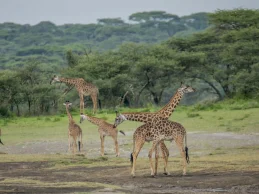
Samburu National Reserve is home to a diverse collection of wildlife species including the much valued Samburu Special Five – Grevy’s Zebras, Somali Ostrich, reticulated giraffe, gerenuk and the beisa oryx - the reserve is famous for. The Samburu Special Five are unique to this area of Kenya and can only be spotted in Samburu National Reserve.
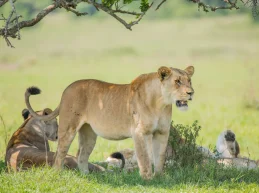
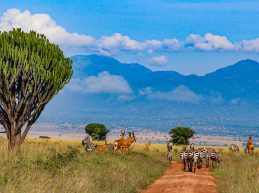
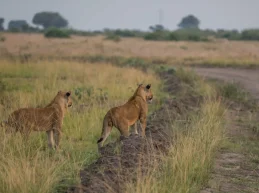
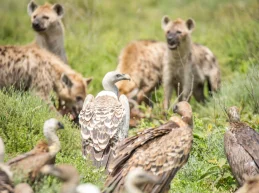
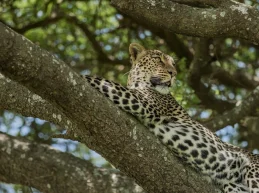
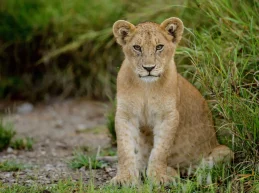
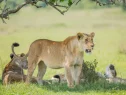
The reserve hosts about 75 species of mammals including lions, elephants, African buffalo, leopards, cheetah, giraffe, zebras, hippo, Aardvark, African Hare, Banded Mongoose, Warthogs, Waterbucks, Bushbuck, Hartebeests, Copper Tailed Monkeys, Grant’s gazelle among others.
Birdlife in Samburu National Reserve
Samburu National Reserve has one of the most impressive bird list in Kenya with over 450 bird species recorded, including coveted endemic and arid specialist such as the Somali Ostrich, Vulturine Guinea fowl, Gunter
Birds in Samburu National Reserve include Acacia tit, African palm swift, Ashy cisticola, Bare-eyed thrush, Black-bellied sunbird, Black-capped social weaver, Brown-tailed rock chat, Chestnut weaver, Chestnut-headed sparrow lark, Donaldson Smith’s sparrow-weaver, Fischer’s starling, Golden pipit, Golden-breasted starling, Greater kestrel, Grey wren-warbler, Hunter’s sunbird, Lanner falcon, Mariqua sunbird, Northern brownbul, Palm-nut vulture, Pink-breasted lark, Pygmy batis, Red-bellied parrot, Red-necked falcon, Red-winged lark, Reichenow’s seedeater, Rosy-patched bush-shrike, Secretary bird, Singing bush lark, Somali bee-eater, Somali ostrich, Spotted palm-thrush, Von der Decken’s hornbill, Vulturine guineafowl, White-headed mousebird and Yellow-vented eremomela among others.
Safari Activities to do in Samburu National Reserve
Game Viewing Safaris
Game viewing safaris / game drives is the main safari activity to do in Samburu National Reserve, this action filled adventure lasts 2 to 3 hours per drive in the morning and afternoon hours. With an experienced guide, you will explored the reserve’s open plains following several tracks looking for animals. You are likely to encounter reticulated giraffe, Gerenuk, Grevy’s zebra, Somali Ostrich, Beisa Orx, grant’s gazelles, lion, cheetah, and leopard, as well as hippos and numerous antelope such as Krik’s dik-dik, impalas, and waterbucks among others.
Game drives in Samburu National Reserve are offered and done as morning game drives, afternoon game drives and evening game drives.
Helicopter Safaris
Conquer the skies of Samburu in a helicopter for an aerial glimpse of Samburu National Reserve and its volcanic geography comprised of the Ololukwe monolith, the Suguta Valley, Silale Crater and Lake Logipi, areas which are rarely reached by game drive vehicle.
During the flight, you will have a bird’s eye view of Samburu’s wildlife including the large herds of elephants before landing on the sacred Samburu Mountain, Ol Donyo Sabachi (Ol Lolokwe), which stands 1,000 m above the encompassing plains.
Helicopter safaris in Samburu National Reserve end with an early evening walk to Sundowner Rock for panoramic views of the reserve and wildlife below.
Camel Safaris
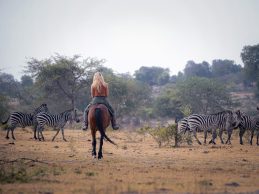
Explore Samburu National Reserve and its wilderness in the most eco-friendly way on a camel safari, a camel ride is the best alternative to the traditional game drive where you can ride up close to Grevy’s Zebras, ostrich, giraffes and spotting several bird species that you might have missed on a traditional game drive safari.
Camels have been part of the northern Kenyan way of life for generations, these safaris are very versatile. So you can opt for a two-hour round trip with sundowners in between or go for a longer camel safari and fly camp in the bush.
Guided Nature Walks
Head out on an hour-long guided nature walk in the semi-arid landscape of Samburu National Reserve or one of the surrounding conservancies for a trek of 2-5 hours.
Guided Nature Walks is an excellent chance to spot some of the colorful birds recorded in the regions as well as the Samburu Special Five and learn more about the interesting flora as well as their use in local tradition.
Samburu region and the reserve is semi-arid and it can be very hot and dusty, so pack plenty of water, a good hat, lightweight trousers and long sleeve tops, protective sunglasses and good walk shoes.
The best recommend time of the day for nature walks is early morning or evening when it is not too hot.
Visit Reteti Elephant Sanctuary
The Reteti Elephant Sanctuary is one of the first community-run wildlife organisations in Kenya, situated in the neighboring Namunyak Wildlife Conservancy. The sanctuary and its animal keepers are committed to rescuing, rehabilitating and rewilding orphaned and abandoned elephant calves, as well as other wildlife.
Visiting this sanctuary is a perfect add on during your Samburu Safari, visiting hours are between 8.30 am and 10 am and then between 11.30 and 1 pm.
From the sanctuary’s special viewing platform, you will watch the elephants come in from their walk to receive their bottles and then have mudhole playtime. During your visit, you will be paired with a keep who will accompany you and tell you about their work while giving you a behind the scenes tour.
How to Get to Samburu National Reserve
Samburu National Reserve is situated about 310 kilometer from Kenya’s capital City, Nairobi. There are two main ways to get there that is by air by road.
By Air – Flying is the most convenient way to get to Samburu National Reserve, there are domestic and charter flight from Wilson Airport in Nairobi to one of Samburu’s Airstrips.
By Road – From Nairobi to Samburu National Reserve, it is a drive of approximately 5 to 6 hours, using Thika Superhighway Road.
Best Time to Visit Samburu National Reserve
Samburu National Reserve is a year-round safari destination, the reserve rarely receives rain making it good throughout the year. However, the best time to visit is from June to October when the temperatures are cooler and drier. In this period, it is easy to spot the animals as they often congregate around the remaining watering holes and Ewaso Ngiro River.
Where to stay in Samburu National Reserve
There are several accommodation options in Samburu National Reserve ranging from luxury, midrange to budget safari lodges, camps and tented camps. These include
- Saruni Samburu Lodge
- Sarara Camp
- Sasaab Camp
- Saruni Rhino Lodge
- Elephant Bedroom Camp
- Samburu Intrepids
- Samburu Sopa Lodge among others.