At a size of 260km², Lake Mburo National Park is the smallest of the Uganda national parks. The park is located in the western part of Uganda in Kirihura District close to Mbarara district, it is the closest park to Uganda’s capital – Kampala and it is in a drive of approximately 4 hours making it the most accessible national park.
The park has a stunning landscape dominated by a chain of lakes including Lake Mburo as the biggest lake, Lake Mburo features forest-fringed shores hemmed in by rolling green hills. According to a local Ankole myth and legend, two brothers Kigarama and Mburo lived in a big valley around the park. One night Kigarama had a revelation in a dream that warned of a danger that would befall them if they continued staying in the valley, he shared his dream with his brother Mburo who didn’t believe him. Kigarama moved to safety on the hills away from the valley, one day the valley got flooded with water from the rain that eventually drowned Mburo. As a result of this legend, the lake was named Mburo and the nearby hills Kigarama.
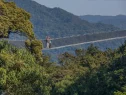
Although Lake Mburo National Park is small in size, it has a stunning landscape comprising of flat grasslands, rolling hills, forests, bush thickets, rocky outcrops, lakes and swamps.
History of Lake Mburo National Park
Lake Mburo National Park was officially established in 1982 as a protected area, but the region has a long history that intertwines with the local Ankole culture. Before its declaration as a protected area, the area was a hunting ground for the Bahima Tribe, known for their cattle-keeping traditions. The Bahima and Batembuzi dynasties have held the area sacred for generations, and their folklore narrates stories of the lake and its resources. Lake Mburo National Park was created with the dual goal of preserving this unique ecosystem and supporting the local communities, ushering in a new era of conservation in Uganda.
Attractions in Lake Mburo National Park
Wildlife in Lake Mburo National Park
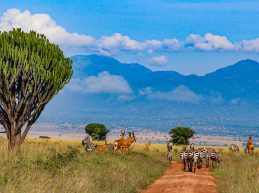
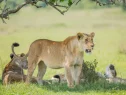
Lake Mburo National Park is home to over 68 animal species, it supports the only substantial population of impalas and has one of the only two populations of Burchell’s zebras (the other population is found in Kidepo Valley National Park).
Besides impalas and burchell’s zebras, other wildlife species in Lake Mburo National Park include common eland, topis, Deffasa waterbuck, bushbuck, common duiker, Bohor reedbuck, Oribi, Sitatunga, Klipspringer, buffaloes, warthogs, bush pigs and hippos among others.
Birdlife in Lake Mburo National Park
With over 350 species of birds recorded, Lake Mburo National Park is one of the finest destinations for bird watching safaris in Uganda. The park is one of the most reliable places in Uganda to see the elusive African finfoot.
Bird species in Lake Mburo National Park include Crested, Coqui, and the Red-winged Francolins, Blue-spotted Wood Dove, Brown Parrot, Barefaced Go-away bird, Harlequin and Blue Quails, Common Button Quail, White-headed and Black-billed Barbet, Greenwood Hoopoe, Common Scimitarbill, Blue-napped Mousebird, Blue-breasted and Shining-blue Kingfishers, Lilac-breasted Roller, African-grey Hornbill, the Nubian, Buff-spotted, Brown-eared, and the Grey Woodpeckers, Trilling, Stout, and Wing-snapping Cisticolas, Red-necked Spurfowl, Black-bellied Bustard, Temminck’s Courser, African-wattled Plover, Rufous napped and Flappet larks, Rufous-chested Swallow ,Yellow-throated Longclaw, Black-winged Bishop, Chubb’s, Carruther’s and a number of other Cisticolas, the Lesser and Great Swamp Warblers, among others.
Lakes in Lake Mburo National Park
Lake Mburo National Park is dominated by a chain of lakes with five most notable lakes, the most important of these is Lake Mburo from which the park derives its name.
Lake Mburo is also the largest of the five lakes, it extends over 13 square kilometers and is fringed by lush riparian woodland with significant areas of papyrus swamps. The lake is a haven for fauna and flora, its bank teems with several water animals and birds including hippos and crocodiles which are permanent residents.
Lake Mburo has 6 fish species with tilapia being the most commonly caught species. Other species include catfish, lungfish, tigerfish, Angara fish, and barbell.
Local People and Culture
Lake Mburo National Park is surrounded by many local people with the Banyankole being the dominant tribe. This tribe is famously known for rearing long-horned cattle called Ankole cattle. These cows are one of the most amazing attractions to see in Lake Mburo National Park.
Safari Activities in Lake Mburo National Park
Game Viewing
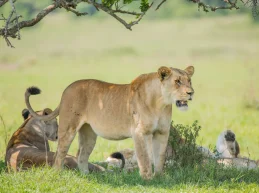
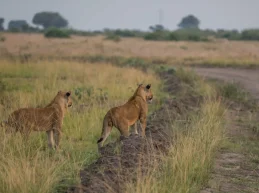
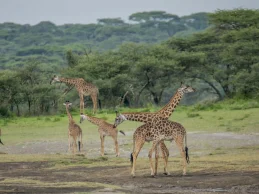
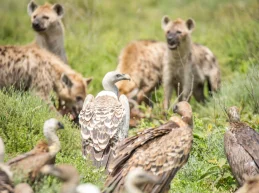
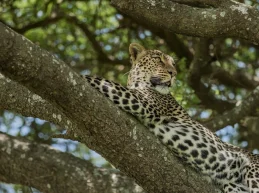
Game viewing is the best Uganda safari activity to do in Lake Mburo National Park, game drives are done by experienced park rangers giving visitors a chance to explore the savannah in search of the park’s diverse wildlife include zebras, impalas, elands, buffaloes, and antelopes being the common sightings. Hyenas, leopards and jackals are also spotted but occasionally.
Game drives in Lake Mburo National Park can be conducted at any time of the day, but early morning and late afternoon drives are more fascinating.
Birding
With 350 bird species recorded, Lake Mburo National Park is one of the best places to see birds in Uganda. Birding is a popular activity in this beautiful park, from water birds along the lakeshores to woodland and savannah dwellers. Whether you are a seasoned birder or a beginner, Lake Mburo National Park offers a great experience. With an expert birder guide, some of the birds you will spot include Barefaced Go-away bird, Harlequin and Blue Quails, Common Button Quail, White-headed and Black-billed Barbet, Greenwood Hoopoe, Common Scimitarbill, Blue-napped Mousebird, Blue-breasted and Shining-blue Kingfishers, Lilac-breasted Roller, African-grey Hornbill, the Nubian, Buff-spotted, Brown-eared, and the Grey Woodpeckers among others.
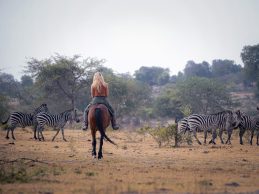
Horseback Riding
This eco-friendly safari activity is only possible in Lake Mburo National Park and it is operated by Mihingo Lodge. Horseback riding allows visitors to traverse Lake Mburo National Park’s landscape on the back of well-trained horses, offering quiet, intimate, and eco-friendly way of wildlife viewing.
Short rides are available for beginner and multi-hours for more experienced riders.
Guided Nature Walks
Lake Mburo National Park is one of the few national parks in Uganda where guided nature walks are conducted and visitors need to acquire permits. Walking safari provide an up-close and personal encounter with the African wilderness, tourists are led by guided armed rangers to safely explore the park’s habitats on foot.
This experience is an excellent opportunity to appreciate the park’s smaller creatures and plant life which is often overlooked during game drives.
Boat Cruise
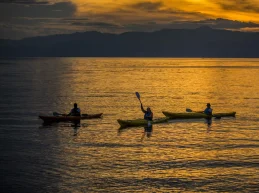
Lake Mburo National Park is dominated by a chain of lakes on which boat cruise activity is done. During this calm experience, you get to enjoy amazing sightings of water birds including crested crane, herons and other animals including hippos and crocodiles. You will also see animals coming to the shores of the lake to drink water and cool off.
Accessing Lake Mburo National Park
Lake Mburo National Park is located in western region of Uganda and is the closest Uganda National Park to the capital Kampala, the park can be accessed by road or air.
By Road – this is the most common way to get to Lake Mburo National Park, the park is approximately 240 kilometers from Kampala. Depending on traffic and road conditions, the journey usually takes between 3.5 to 4 hours using two main routes. The first route is via Masaka and when you reach Lyantonde, there is additional drive of about 13 km to Sanga gate, the eastern entrance of the park. The second route is via Mbarara, followed by a 13km drive to Nshara, the park’s western gate. This route is abit longer but takes you through some scenic landscapes.
By Air – This is a faster way to access Lake Mburo National Park, charter flights are available from Entebbe International Airport or Kajjansi Airfield to the park. The flight duration is typically under an hour to an airstrip at Nyakisharara in Mbarara, approximately 66km from the park.
Best Time to Visit Lake Mburo National Park
Lake Mburo National Park is a year-round destination, however the best time to visit depends largely on your interests and preferences. The dry seasons (June to August and December to February) are often considered the best times to visit Lake Mburo National Park, during these months animals congregate around water sources like Lake Mburo and other smaller lakes within the park.
Where to stay in Lake Mburo National Park
There are several accommodation options in Lake Mburo National Park ranging from budget, midrange to luxury. These include
- Mihingo Lodge
- Mantana Lake Mburo Camp
- Acardia Cottages
- Rwakobo Rock
- Mburo Safari Lodge
- Lake Mburo Luxury Tented Camp
- Eagle’s Nest Lodge
- Rwonyo Rest Camp
- Kimbla – Mantana Tented Camp