
Described as the “loveliest I had Seen in Africa” by Ernest Hemingway, Lake Manyara National Park is one of the beautiful national parks in Tanzania. The park is home to lesser flamingos, tree-climbing lions and one of Africa’s highest concentration of elephants.
Lake Manyara National Park is situated on the western escarpment of the Rift Valley, in the Arusha Region of northern Tanzania. It is part of the northern circuit of national parks in Tanzania, a popular safari route in Tanzania starting in Arusha and is usually a stopover to tourists before continuing to Serengeti National Park, Ngorongoro Conservation Area and finishing your safari adventure at Arusha.
Lake Manyara National Park was designated as a national park in 1960, covering an area of 330 square kilometres with two thirds (230 square kilometres) of the park covered by the lake – Lake Manyara.
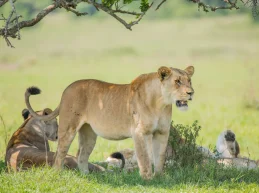
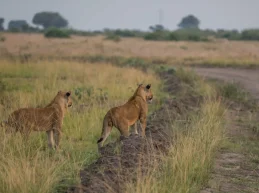
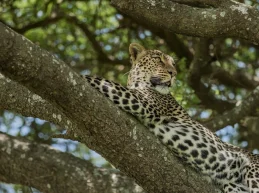
The elusive tree-climbing lions normally seen relaxing lazily on branches of acacia trees staring downing at the prey are the signature safari attraction in the park, Lake Manyara National Park is also one of the best places in the world to see elephants. The park boasts one of the highest concentrations of elephants in Africa and it was a base of the first long-field study of elephants in the wild, the book entitled “Among the Elephants by Iain and Oria Douglas – Hamilton documents this pioneering work.
Location of Lake Manyara National Park
Lake Manyara National Park is situated between Lake Manyara and the Great Rift Valley, about 126 km southwest of Arusha and can be reach in an hour and a half drive. In the south of the park, there is Marang Forest Reserve that is situated on the escarpment above the park. To the east of the park is the Kwa Kuchinja Wildlife Migration Corridor which is used by wildlife to migrate from Tarangire National Park to the east.
On the western side of the park is the rocky escarpment of the rift valley wall that rises steeply to 1,219 – 1,829 m making it the most dramatic of Great Rift.
Attractions in Lake Manyara National Park
Lake Manyara
Lake Manyara from which the park gets its name is one of the most fascinating attractions in the area, the lake is the seventh-largest lake in Tanzania by surface area at 470 square kilometres.
Lake Manyara National Park is a shallow alkaline lake at an altitude of 960 m above the sea level with a maximum depth of 10ft and covers two-thirds of the park. The lake was formed as a result of the Great Rift Valley, over millions of years as the rift grew wider, streams cascaded down its continually eroding slopes and pooled into what is now known as Lake Manyara.
The shores of Lake Manyara host millions of flamingos, these beautiful birds form a pink plumage reflecting in the still water. The flamingos congregate with other bird species such as the Great white pelicans, pink-backed pelicans, yellow-billed stroks and grey herons at shores of Lake Manyara as they feed on the blue-green algae that flourish in the shallows.
Wildlife in Lake Manyara National Park
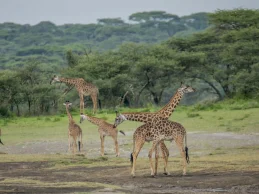
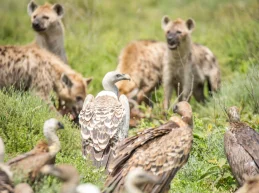
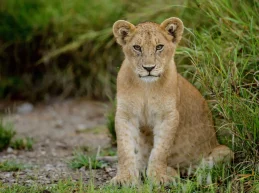
Lake Manyara National Park is one best place for Tanzania wildlife safaris and one of the two places to see the rare tree climbing lions, other wildlife species found in this beautiful park include the largest concentration of elephants, giraffes, leopards, impalas, banded mongoose, kirk’s dik-dik, Bohor Reedbacks, buffaloes, hippos, gazelles, Grant’s gazelles, warthogs, bushbucks, waterbucks, African wild cat, spotted hyenas, black-backed jackals, bat-eared foxes, serval, honey badgers, African civet, genet, cheetahs and African golden cats.
Birdlife in Lake Manyara National Park
With over 400 species of birds, Lake Manyara National Park is an ideal destination for Tanzania bird watching safaris. The park is famous for the flocks of thousands of flamingos along the edge of the Lake Manyara in the wet season.
Other bird species found in Lake Manyara National Park include ong-tailed fiscal, the rare Pangani Longclaw, Silvery-cheeked Hornbill, Narina Trogon, Crowned Hornbill, Schalow's Turaco, Emerald Cuckoo, Crowned Eagle, ground dwelling Crested Guineafowl, Crowned Plover, Grey Crowned Crane, Fischer's Sparrow Lark, Two-banded courser and the Black-faced Sandgrouse among others.
Safari Activities To Do in Lake Manyara National Park
Game Drives
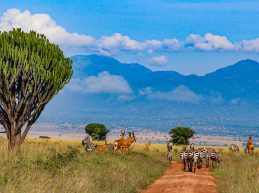
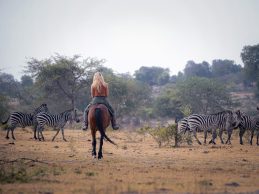
Game viewing is the main Tanzania Safari Activity in Lake Manyara National Park. Early morning, mid-afternoon and night game drives offer unique animal encounters. The early hours when the weather is a little cooler in Lake Manyara National Park offer the best chances of catching a glimpse of the majestic wildlife including tree climbing lions, giraffes, hartebeests, elands, zebras, large herds of elephants among others.
The evening game drives “Night game drives” allow you to spot some nocturnal creatures including lions, hyenas, leopards, porcupines and wild dogs which might be shy during day and active during the night.
Guided Nature Walk
Venture in Lake Manyara National Park in foot and immerse yourself in the incredibly beautiful scenery while keeping an eye out for wildlife. Depending on the route you take with your armed guide, you will see various animals. Monkeys and birds are some of the most commonly sighted creatures during the guided nature walks.
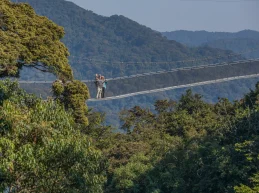
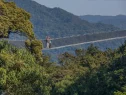
The Tree Walkway is a popular feature in Lake Manyara National Park perfect for nature walks, the walkway is a 370 meters long canopy walk through the tree tops. During the walk on the canopy you will get a bird’s eye view of the animals below as well as birds at eye level.
Bird Watching
Lake Manyara National Park is one of the best bird watching destinations in Tanzania with over 400 species, birding excursions in this beautiful offer opportunity to see various colourful bird species including pelicans, herons, hornbills, storks, and kingfishers on the lake. Crowned eagles, African hawk eagles, white-winged widowbirds and yellow-billed kites among others.
If you are a keen birdwatcher or planning a birding safari to Lake Manyara National Park specifically for the winged inhabitants, it is worth keeping in mind that Lake Manyara is seasonal. This means that many species are primarily present during the wet season and are not commonly found here during the drier months of the year. The lack of rain causes the water levels to drop, so the flamingos tend to move north to Lake Natron found in the same area.
Canoeing on Lake Manyara
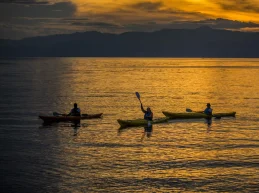
Canoeing on the beautiful Lake Manyara is one of the most exciting activities in Lake Manyara National Park, the lake is just over 125 square miles large and with its vast size canoeing can be exciting.
As you paddle along the lake, you look out for hippos, water birds and several wildlife species that visit the shores of the lake like zebras and elephants to drink.
Cultural Encounters
Delve into the locals traditions and customs on a visit to the nearby Maasai Village, the local Maasai people welcome visitors into their home showcasing their intricate handicrafts, traditional dances and unique of life.
How to Get to Lake Manyara National Park
Lake Manyara National Park is situated approximately 126 km from Arusha and is part of the famous northern safari circuit in Tanzania, because of the park’s close proximity to Arusha driving is the best option. The park is located southwest of Arusha Town, approximately 126 km and is easily reached by a vehicle on a drive of about 2 hours. The park can also be accessed from Tarangire Natonal Park, Ngorongoro Conservation Area and Serengeti National Park.
Best Time to Visit Lake Manyara National Park
You can visit Lake Manyara National Park all year round, however during the dry season from June to late October is the best time to visit. In this season, the weather is warm and pleasant with low humidity levels and minimal chance of rain. It is the best time to see to see the wildlife as animals and birds congregate near water sources during the long period of dry season.
The short rains occur less predictably in November and December in the short afternoon showers. From January and February is the second dry period and another good time to visit Lake Manyara National Park. The daily thunderstorms in Lake Manyara National Park occur from March to May making most parts of the park inaccessible.
Where to stay in Lake Manyara National Park
Lake Manyara National Park has wide range of accommodation options to choose from ranging from budget, midrange to luxury options. The following are some of the top accommodation options (lodges and camps) to choose from.
- Lake Manyara Serena Safari Lodge
- Escarpment Luxury Lodge Manyara
- Lake Manyara Kilimamoja Lodge
- AndBeyond Lake Manyara Tree Lodge
- Manyara Wildlife Safari Camp
- Kirurumu Mnayara Lodge
- Burudika Manyara Lodge
- Twiga Camp