Situated in the south of the country, Amboseli National Park is the second popular national park in Kenya, coming second to Masai Mara National Reserve. Amboseli National Park is known for its large herds of elephants and sweeping views of Mount Kilimanjaro, the tallest free standing mountain in Africa with its snowcapped summit.
The park covers an area of approximately 150 square miles, including wide open areas of savannah grasslands, tangled acacia forests, and the dried-up bed of Lake Amboseli. The snow-capped summit of Mount Kilimanjaro which is also visible from across the Tanzania border creates a spectacular backdrop for your photographs.
Amboseli’s arid and semi-arid landscapes was traditionally shared by both, indigenous pastoralists, the Maasai and wildlife. The mainly flat area is carpeted, depending on the season, with golden-brown or green grass. In the drier lands, vegetation is scarce with the main plant being the elephant grass, a whitish-yellow grass which can reach an elephant’s height. Apart from the mostly dry and salty Amboseli Lake, the park‘s ecosystem is fed by the underground water from Kilimanjaro. This water contributes to the formation of swamps and marshlands, confined by Cyprus grass, papyrus and groves of fever trees with green-yellow bark.
History and Conservation of Amboseli National Park
In 1883 Joseph Thomson was the first European who saw the snows of Kilimanjaro, now evoking memories of an old Hollywood movie based on a short story by Ernest Hemingway, a frequent visitor to Kenya. Hemmingway visited Kenya at a less environmentally conscious time when hunting was still done with rifles.
The area known today as Amboseli National Park was called Emboseli meaning salty dusty in the Maa language of the indigenous Maasai.
The area was declared a protected (national park) in 1977, since then it has gained a reputation for being the best place in Kenya to watch large herds of free-ranging elephants with some of the largest tusks seen in Kenya.
Wildlife in Amboseli National Park
The large herds of elephants are the main attraction in Amboseli National Park, the largest terrestrial animals on the planet can be seen in herds that often number over 100 individuals from matriarchs to tiny calves. The sparse vegetation in Amboseli makes the spotting of elephants easy.
Amboseli National Park is also home to the world famous Amboseli Trust for Elephants, which has been studying the herds since 1972.
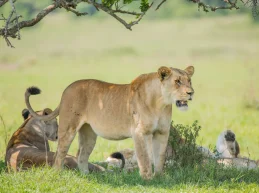
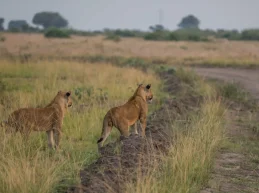
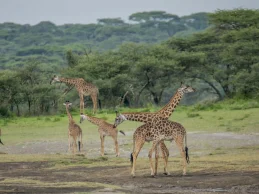
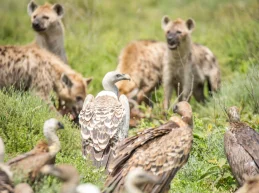
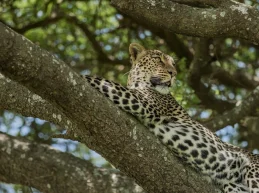
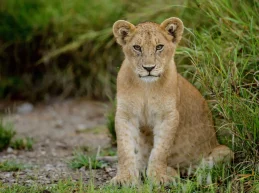
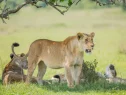
In addition to elephants, Amboseli National Park is home buffaloes, lions and leopards making up to four of the Big Five freely roaming the park. Other animals include Thomson’s gazelles, the endangered Maasai giraffe, cheetah and spotted hyena among others.
Birdlife in Amboseli National Park
Amboseli National Park is home to more than 400 different avian species, including 47 different types of raptors. The park’s diverse habitats support a wide variety of birds including water birds, grassland birds and birds of prey.
Birds in Amboseli National Park include African swamphen, Common ostrich, Common redshank, Dickinson’s kestrel, Goliath heron, Greater flamingo, Hartlaub’s bustard, Lesser flamingo, Long-toed lapwing, Pangani longclaw, Rufous chatterer, Rufous-bellied heron, Spike-heeled lark, Steel-blue whydah, Taveta golden weaver, Von der Decken’s hornbill, Water thick-knee, White-bellied bustard, White-bellied go-away bird and Yellow-necked spurfowl among others.
Safari Activities To Do in Amboseli National Park
Game viewing
Game viewing is the main Kenya safari activity in Amboseli National Park, the permanent swamps of Enkongo Narok, Olokenya and Longinye create a marshy belt running across the middle of the park. This is the best place for game viewing in Amboseli National Park, here visitors get close-up encounters with hippos and elephants around the edge.
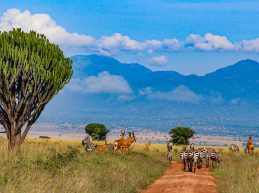
The grassland plains of Amboseli National Park deliver excellent sightings of grazing zebras, lions, leopards, cheetahs, antelopes, spotted hyenas, wildebeests and giraffes among others.
Bird watching
Amboseli National Park is among the best birding areas in Kenya with more than 400 species of birds including the globally threatened Madagascar Pond-Heron, Lesser Flamingo, Lesser Kestrel, and Possibly Africa’s most sought-after bird, the Shoebill which has a-one-time record in the area and over 40 birds of prey.
With the guidance of a ranger guide, birds to look out for in Amboseli include the Fulvous Whistling Duck, Egyptian Goose, Pied Kingfisher, Steel-blue Whydah, African Pygmy-Goose, Red-billed Duck, Falcon, Helmeted Guinea bird, African Black Duck, Somali Bunting and Double-banded Courser among others.
Balloon Safaris
Balloon Safaris in Amboseli National Park is an enchanting experience offering incredible aerial views of the breathtaking wilderness and incredible views of Kilimanjaro Mountain at sun rise. The Balloon Safaris starts at 5 am and the flight lasts about one hour of flying over the Amboseli, enjoy aerial views of the park’s landscape and eye’s bird view of animals.
Balloon Safaris in Amboseli National Park is concluded with a champagne bush breakfast set in the park toasting to conquering the sky.
Cultural Visits
Cultural visits in Amboseli National Park take you on a visit to the Maasai Community along the borders of the park, here you get to interact with the local people, experience their way of life and learn about their cultures and traditions through local dances and drama
A Maasai elder will take you around the village, show you how to make fire using sticks and explains the homestead of traditional Maasai homestead.
Guided Nature Walks
Guided Nature Walks are the most eco-friendly way to explore Amboseli National Park on foot, with your armed rangers and guide you will explore various regions of Amboseli which cannot be accessed by vehicle.
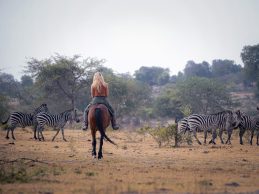
Guided Nature Walks takes you through diverse habitats that range from grasslands to swamps which are home to an abundance of wildlife, giving you an opportunity to get closer to nature and offers exceptional photographic opportunities along the way. Your Maasai guide will introduce to the region’s fantastic biodiversity and will allow you to get within safe distance of plains game.
Best Time to Visit Amboseli National Park
Amboseli National Park is open all year round, however the best time to visit is from January to February and June to September. These months are dry season with less vegetation cover thus offering unparalleled sighting of the wildlife, also the animals are easy to see as they often congregate at the remaining water holes.
Note: During the rainy season (April and May), roads in the park may be hard to navigate, however this is a good time for photographers and birders as the park is green and migratory bird species arrive from Europe and Northern Africa.
How to Get to Amboseli National Park
Amboseli National Park is located approximately 240 kilometers southeast of Nairobi, this iconic Kenya Park can be accessed by either road or air.
By Road: It is a drive approximately 4 hours from Nairobi City, the capital of Kenya on Nairobi via Namanga – Arusha Road or Nairobi Vila Emali route.
By Air: There are scheduled and domestic flights from Wilson Airstrip in Nairobi to Amboseli Airstrip which serves the park, these flights are operated by AirKenya, Safarilink, and Mombasa Air Safari.
Where to stay in Amboseli National Park
Amboseli National Park has a variety of accommodation options ranging from luxury, midrange to budget. These accommodations include
- Amboseli Serena Safari Lodge
- Ol Donyo Lodge
- Satao Elerai Camp
- Campi ya Kanzi
- Tawi Lodge
- Ol Tukai Lodge
- Kilima Safari Camp among others.