Located just a short drive from Arusha and Moshi, Arusha National Park is the most accessible Tanzania National Park and the perfect destination for a day trip or as a first stop on a longer Tanzania Safari. The park is the closest national park to northern Tanzania’s safari capital, Arusha and approximately 50 kilometres from Kilimanjaro International Airport.
Arusha National Park is a magical place, relatively small compared to Tarangire National Park or Serengeti National Park with an area of about 552 km2. The park encompasses Mount Meru a prominent volcanic cone with a spectacular crater at the top. Mount Meru and the Ngurdoto Crater are the most striking features of the park, these features were formed as a result of Volcanic eruptions between 1 and 3 million years ago.
At 4,566m, Mount Meru is the second – highest mountain in Tanzania coming second to Mount Kilimanjaro. The volcano offers one of the most scenic and rewarding mountain climbing adventures in Tanzania, the adventure involves a dramatic walk along the knife-edge of the crater rim.
History of Arusha National Park
Arusha National Park is the second oldest park in Tanzania together with Lake Manyara National Park, established in 1960. The park’s history goes back to 1876 when Count Teleki, a Hungarian visited the Momella Area, he commented on the vast number of hippos and black rhinos he had seen. Sadly, the later in now no long present in the park.
In 1907, the Trappe family moved to Momella to farm using large areas of the present park as cattle ranch. The elder Mrs Trappe, the first woman to become a professional hunter in East Africa, voluntarily set aside a large part of the Momella estate for a game sanctuary. When the park was established in 1960, the farm was incorporated into it. In 1960 the then Ngurdoto Crater National Park was established. In 1967, the Mount Meru area also became part of the park.
Attractions in Arusha National Park
Wildlife in Arusha National Park
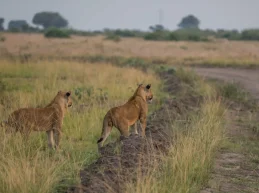
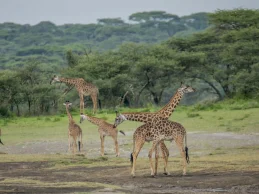
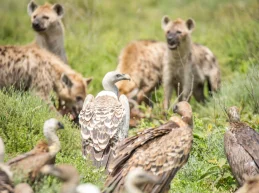
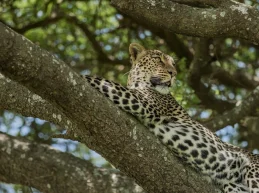
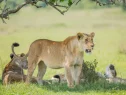
Arusha National Park is home to a large diversity of wildlife including a handful of African elephants, herds of buffaloes, hippos, warthogs, waterbucks, dik-dik, reedbucks, bush pigs, giraffes, hippos, spotted hyenas, wild cats and leopards.
Beyond the entrance gate of Arusha National Park is a shadowy montane forest is home to the curious blue monkeys, the park is only place on the Northern Tanzania Safari Circuit where you can easily see the black and white colobus monkeys.
Birdlife in Arusha National Park
With more than 400 species recorded, Arusha National Park is listed among the Important Birding Areas in Tanzania. Some of the birds found in the park include Silvery-cheeked Hornbill, Scaly Francolin, African Black Duck, Striated Heron, Southern Pochard, Mountain Wagtail, Grey-olive Greenbul, Stripe-faced Greenbul, Crowned Eagle, Palm-nut Vulture, Mountain Buzzard, African Wood-Owl, Black-throated Wattle-eye, Rameron Pigeon, Hamerkop, Montane White-eye, Giant Kingfisher, Brown-hooded Kingfisher, Peter’s Twinspot, Retz’s Helmetshrike, Spot-flanked Barbet, White-eared Barbet, Pallid Honeyguide, African Emerald Cuckoo, Cinnamon-chested Bee-eater, Ruppell’s Robin-Chat, Long-billed Pipit, Hartlaub’s Turaco, Lesser Flamingo, Trilling Cisticola, Narina Trogon and Bar-tailed Trogon among others.
Flamingoes at Momela Lakes – The beautiful Momella Lake in Arusha National Park host great masses of pink-hued flamingoes often congregating at the shores to feed on the blue-green algae flourishing in the different shallows.
Mount Meru
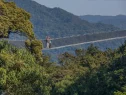
The second tallest mountain in Tanzania, Mount Meru is one of the fascinating attractions in Arusha National Park. This dormant volcano is situated east of the Great Rift Valley rising from a circular base some 20km across at 200m. At about 2500m some of the walls have broken away, so the top half of this mountain is shaped like a giant horseshoe.
Mount Meru offers some of the most scenic and rewarding climbs in East Africa, the adventure involves a dramatic walk along the knife-edge of the crater rim.
Tanzania Safari Activities To Do in Arusha National Park
Game Drives
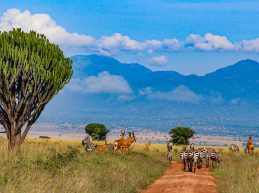
Arusha National Park offers classic game viewing experiences and game drives is one of the popular Tanzania Safari activities to do, the park has several tracks running through the park’s grasslands – The Serengeti Ndogo, just north of the Ngongongare gate. From the comfort of your 4x4 safari vehicle you will enjoy amazing views of Mount Meru, the beautiful momella lakes and several animal species including Klipsringers, dik-diks, buffales, hippos, elephants, red duikers, black and white colobus monkeys and the rarely seen leopards.
Bird watching
Arusha National Park offers rewarding bird watching experience, with over 400 bird species you will surely have a great Tanzania bird watching safari. Some of the colourful birds to look out with your experienced birder guide include Hartlaub’s turaco, scaly spurfowl, hadada ibis, silvery checked hornbill, cinnamon chested bee-eater, Taveta weaver, the bar-tailed trogon and Narina trogon and flamingos on Momella Lakes.
Mount Meru Climbing
Standing at 4566m, Mount Meru is the second highest mountain in Tanzania and is a great destination for Mount Climbing Adventure. The volcano is normally overshadowed by Mount Kilimanjaro, however it is a spectacular volcanic cone offering one of the most scenic and rewarding climbs in East Africa. The climb involves a dramatic walk along the knife – edge of the crater rim.
Climbing Mount Meru is only done on Momella route which starts on the eastern side of the mountain and goes to the summit along the northern arm of the horseshoe crater. The hike on this route can comfortably be done in four days, three nights.
Note: Treks are not allowed to begin after 3 pm.
Walking Safaris
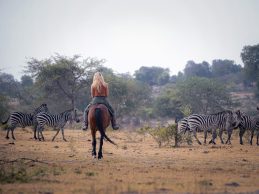
Arusha National Park is one of the few places in Tanzania where walking safaris are possible, the Ujambo Wa Mbogo is one of the perfect areas in the park where walking safari are done. The area features marsh, bushes, and streams which serve as a feeding ground for buffaloes, giraffes and warthogs.
Also, there are several trails passing below Mount Meru and another follows the Ngurdoto Crater rim trail “descending into the crater not allowed”. A hike to Njeku Viewpoint in the Meru Crater floor which follows Stage 1 of the climb up Mount Meru is an excellent day hike.
Canoeing on Momella Lake
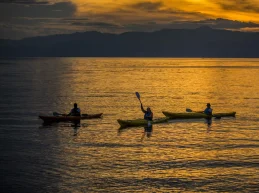
Momella Lake situated in the heart of Arusha National Park offers the perfect opportunities for a canoeing safari, this exciting experience offers visitors a chance to witness animals in their natural environment without being disturbed.
Canoeing on Momella Lakes last between 2 to 3 hours and as you paddle, you will be able to see bushbucks, giraffes, giraffes, hippos and a variety of water birds such as giant kingfishers, cattle egrets and storks among others.
Canoe safaris in Arusha National Park starts early morning at 07:30 am or in the evening at 16:00 hours.
Best Time to Visit Arusha National Park
Arusha National Park is a year-round destination, however the best time to visit to spot wildlife is during the dry season from June to October. In this period, the vegetation cover is more scarce allowing you to spot wildlife more easily. This is also the best time to go on a walking safari.
During the wet season (The Green Season) the park is literally very green, the tall grass and foliage make it tricker to spot wildlife. The rainy green season turns the park into a beautiful and lush making for a very scenic visit, it is also a great time to see birdlife in the park.
How To Get to Arusha National Park
Arusha National Park can be accessed by road, most travellers on a safari to this beautiful park land at Kilimanjaro International Airport in Arusha and head to the park which is only 45 minutes’ drive from Arusha City Centre.
Where to stay in Arusha National Park
There are several accommodation options in Arusha National Park ranging from budget, midrange to luxury lodges and camps. These include
- Ngurdoto Mountain Lodge
- The Africa Tulip
- Arusha Serena Hotel, Resort & Spa
- Ngare Sero Mountain Lodge
- Momella Wildlife Lodge
- Mount Meru Game Lodge
- Hatari Lodge
- Itikoni Season Camp