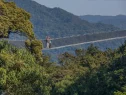
Now the largest national park in Africa at 30,893 square kilometers, the vast Nyerere National Park is a newly established national park in Tanzania. It is also the largest stand-alone National Park in Africa and one of the largest in the world.
Nyerere National Park is located in southern Tanzania, far from the crowds, formerly known as Selous Game Reserve, the park was declared a UNESCO World Heritage Site in 1982 due to its dramatic landscapes and great diversity of wildlife. The park is a key habitat for the endangered wild dog. The lifeblood of Nyerere National Park are its rivers and lakes, the Rufiji River located at the heart of part is the largest river in Tanzania, it creates a complex network of channels, lakes and swamps that result in one of the most compelling ecological systems in East Africa.
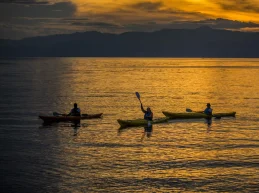
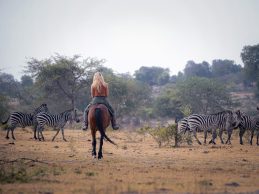
Nyerere is one of the few big game reserves in Africa offering some of the most incredible walking safaris and boat safaris as well as fly camping trips.
Wildlife in Nyerere National Park
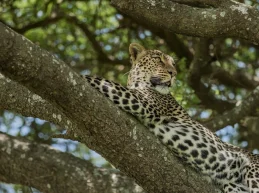
Nyerere National Park boasts of the largest concentration of wildlife with a diverse and abundant collection of wildlife species. The park attracts both east and southern Africa wildlife, both resident and migrator species.
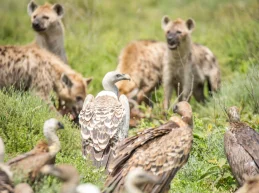
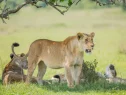
Nyerere is home to over 50% of the remaining endangered African wild dog and hosts a good population of crocodiles, hippos, spotted hyenas, cape buffaloes, elephants, elands, sable, kudu, baboons, wildebeests, zebras, impalas, hartebeests, colobus and vervet monkeys among others.
Nyerere National Park is home to a large proportion of Tanzania’s elephant population
Birdlife in Nyerere National Park
Nyerere National Park is home to 440 bird species commonly observed in their natural habitats that is the lagoons, River Rufiji, islands and channels. Birds found in Nyerere National Park include mangrove kingfishers, Boehm’s bee-eater, Livingstone’s flycatcher, green-caped eremomela, yellow-bellied bulbul, white helmet shrikes, wattle eyed flycatcher, red throated twin spot, grey-hooded kingfisher, black cuckoo-shrike, African skimmer, red-winged warbler, spotted flanked barbet, red-billed helmetshrike, pearl-spotted owl, palm-nut vulture, broad-billed roller, von Decken’s hornbill, red throated twinspot, Layard’s black-headed weavers, grey Penduline, purple banded sunbird, African spoonbill, brown necked parrot, Racket-tailed roller, Thick billed cuckoo, white backed vulture, white headed lapwing, Pel’s fishing owl, Dickinson’s Kestrel, brown headed parrot and the Rock pranticole among others.
Things to Do in Nyerere National Park
Game Drives
Game viewing is the most popular Tanzania Safari experience in Nyerere National Park, the best done for game drives in this vast park is during the dry season from June to October as it is the time when most of the animals can be seen congregating at the different waterholes drinking water and cooling off.
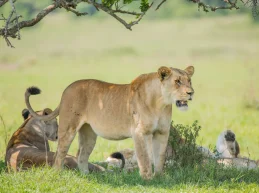
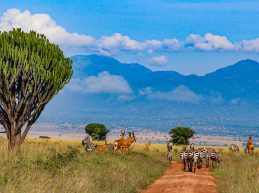
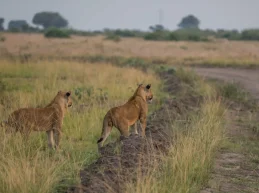
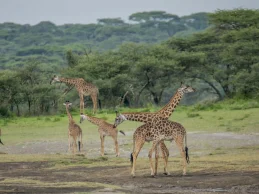
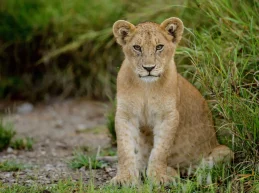
Some of the animals to lookout for during the game drives are the endangered wild dogs, buffaloes, hippos, lions, giraffes, baboons, zebras, rhinos, elands, impalas, elephants and baboons among others.
The best time to enjoy game drives in Nyerere National Park is during the morning hours before 11:00 am and afternoon hours around 3:00pm because this is the time when the animals are not in hiding from the heat.
Birding safaris
Nyerere National Park is one of the best birding destinations in Tanzania hosting over 440 bird species recorded. The best time for birding in Nyerere is between November and April during the wet season when the migratory birds arrive in the park from North Africa and Europe.
Bird species to lookout for on a birding safari in Nyerere National Park include the yellow bellied bulbul, mangrove kingfisher, black cuckoo-shrike, palm-nu vulture, red throated twin spot, red-winged warbler, African skimmer, spotted flanked barbet and the grey hooded kingfisher among others.
Guided walking safaris
Guided walking safaris in Nyerere National Park is an adventure packed activity where visitors embark on relaxed, guided walks in a wildlife conservation area with the intention of seeing wild animals in a more natural way without using vehicle.
Guided walking safaris in Nyerere National Park are offered as nature walks within the park and one outside the main park. Nature walks within the park is approximately 45 minutes to 1 hour and the walks outside the main reserve is approximately 3 hours covering a distance of 9-15 km.
Nature walks in Nyerere National Park are preferably done early mornings or late in the afternoon when the sun is not too hot.
Cultural Tours
Cultural tours in Nyerere National Park take you on an encounter with the Maasai people, the most iconic tribal group in all Africa populating the vast areas of Northern areas of Tanzania and are the dominant ethnic group surrounding most of the National Parks and Reserves in Tanzania.
This nomadic, warrior tribe still retain many of their traditions as they live largely untouched by modern day civilization.
The Maasai Village visit is a one hour visit giving you a chance to interact with the local people and get a glimpse into their culture, unique way of life and see some of their customs and practices first hand.
Boat Safari
Boat safari in River Rifuji is one of the best ways to explore Nyerere National Park, on the boat ride you will see aqua animals like hippos and crocodiles as well as several water birds such as grey heron, great egret, African skimmer and lesser sandplover among others.
When to Visit Nyerere National Park
Nyerere National Park is a year round destination, however the best time of the year to visit for the greatest overall concentrations of game is from July to October. Throughout the year, game viewing is very good in various areas. During January and February, you need to be careful when choosing your camp as the game migrates away to more fertile feeding grounds.
The hottest time of year is between November and March, but there is good wildlife viewing as the animals are still active and there are often fewer vehicles and boats in the park. The migratory birds arrive during these months too. The short rains fall in November, with humidity building until April. The long rains are from April until May and most camps and lodges close during this season.
How To Get to Nyerere National Park
Nyerere National Park is easily accessible from Dar es Salaam, Arusha, Ruaha and Zanzibar. One can get to the park by road and air.
By Road – The distance from Dar es Salaam to Nyerere National Park is about 230 kilometers to the nearest entry point, though the distance differs depending on which entry gate you plan to access the park. it is a drive of about 5 hours.
By Air- The Park is served by light aircraft flights from Dar es Salaam and Ruaha daily, the flight takes about 45 minutes from Dar es Salaam and about 90 minutes from Ruaha. Also, there are a number of departure flights from Arusha and Zanzibar, which land at different accommodations or public airstrips within the reserve.
Where to stay in Nyerere National Park
There are several accommodation options in Nyerere National Park ranging from luxury, midrange to budget eco-friendly lodges and tented camps. These include
- Beho Beho Camp
- Kiba Point Selous
- Sand Rivers Selous
- Siwandu Camp
- Roho ya Selous
- The Retreat Selous
- Serena Mivumo River Lodge
- Selous Serena Camp
- Selous Impala Camp
- Lake Manze Camp among others.