Exploring Rwanda’s Volcanoes National Park: A Guide to Gorilla Trekking

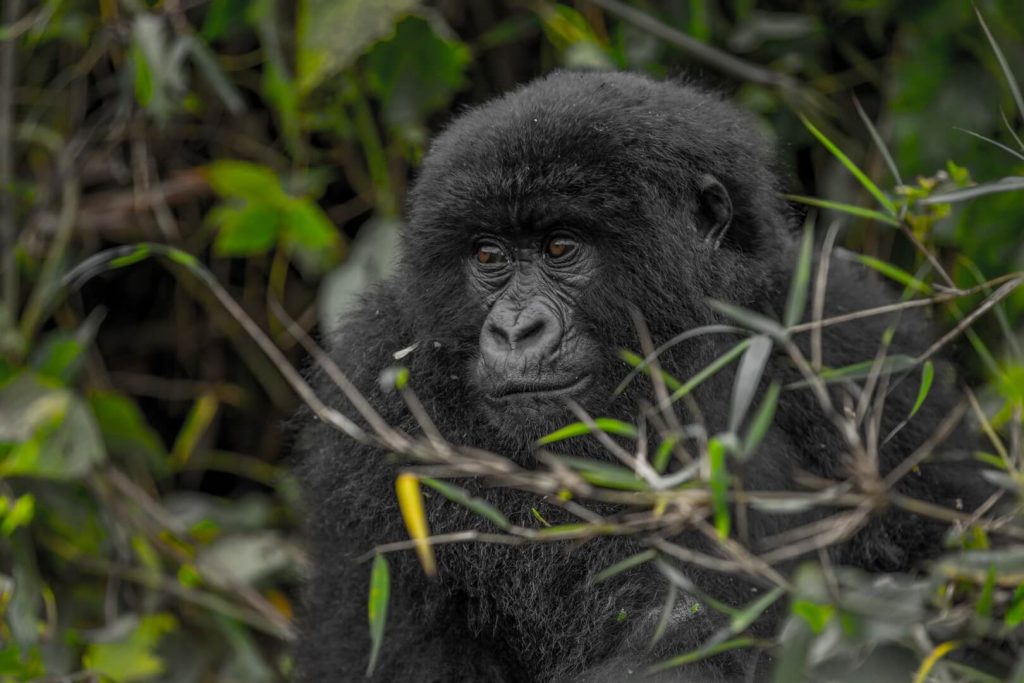
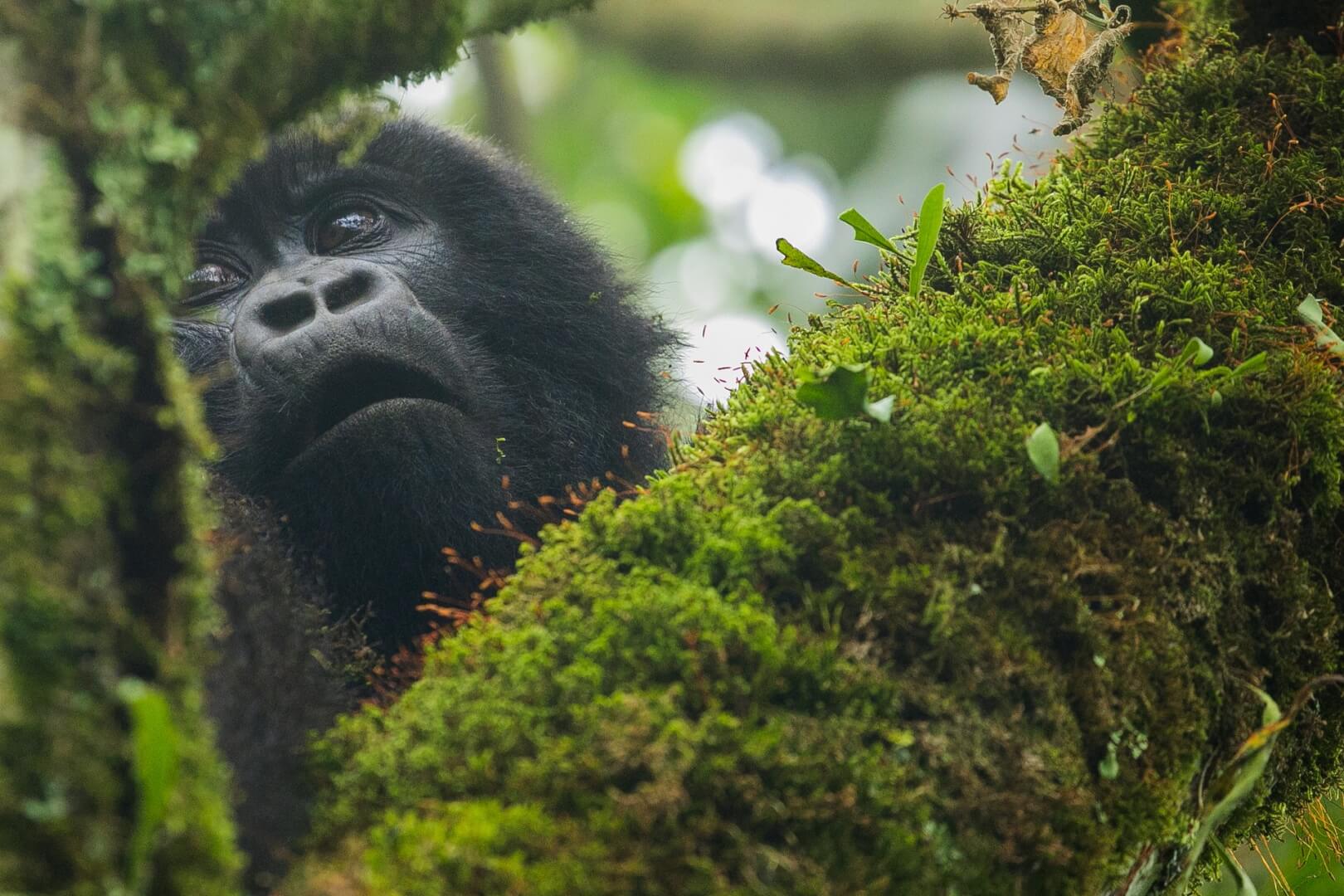
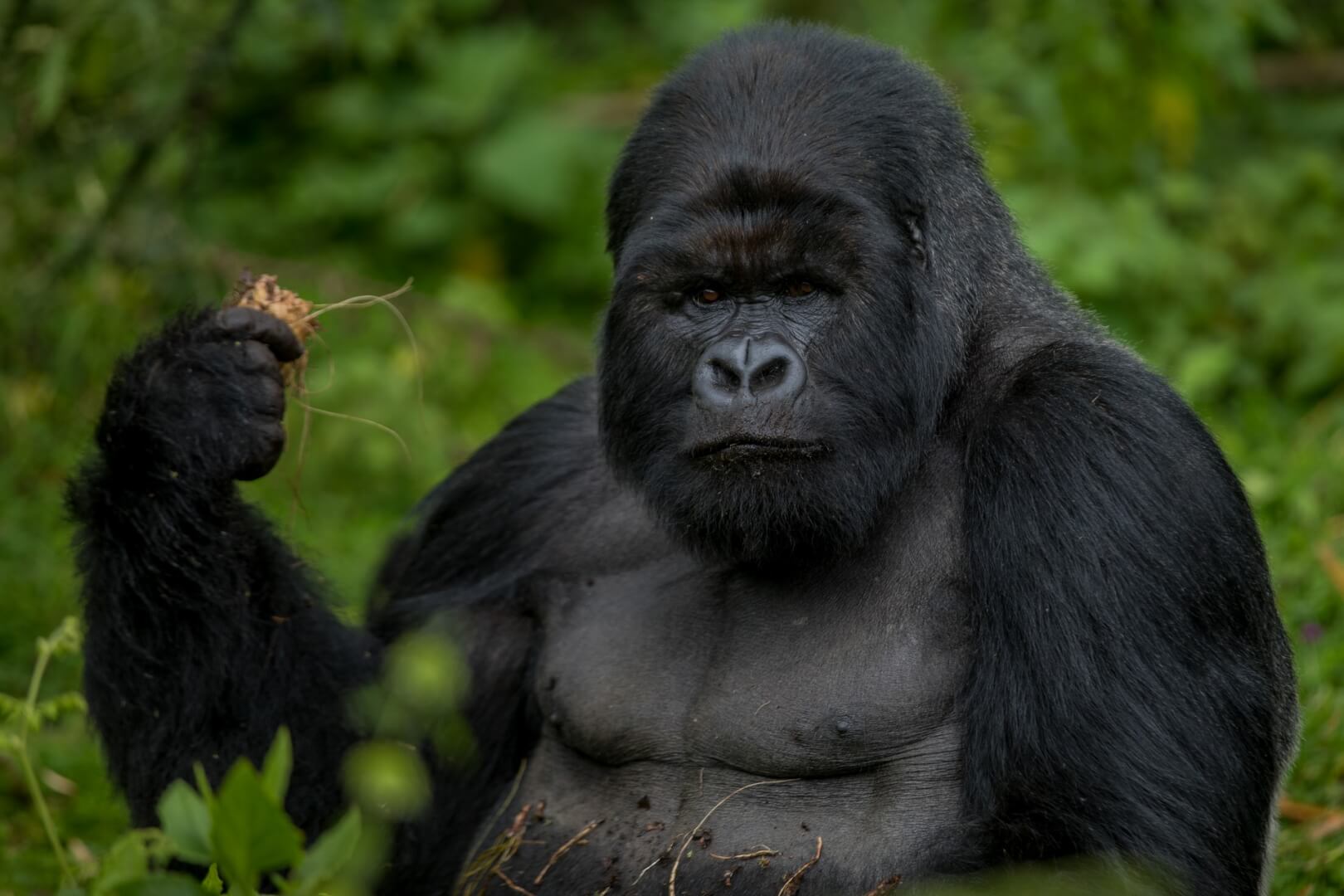
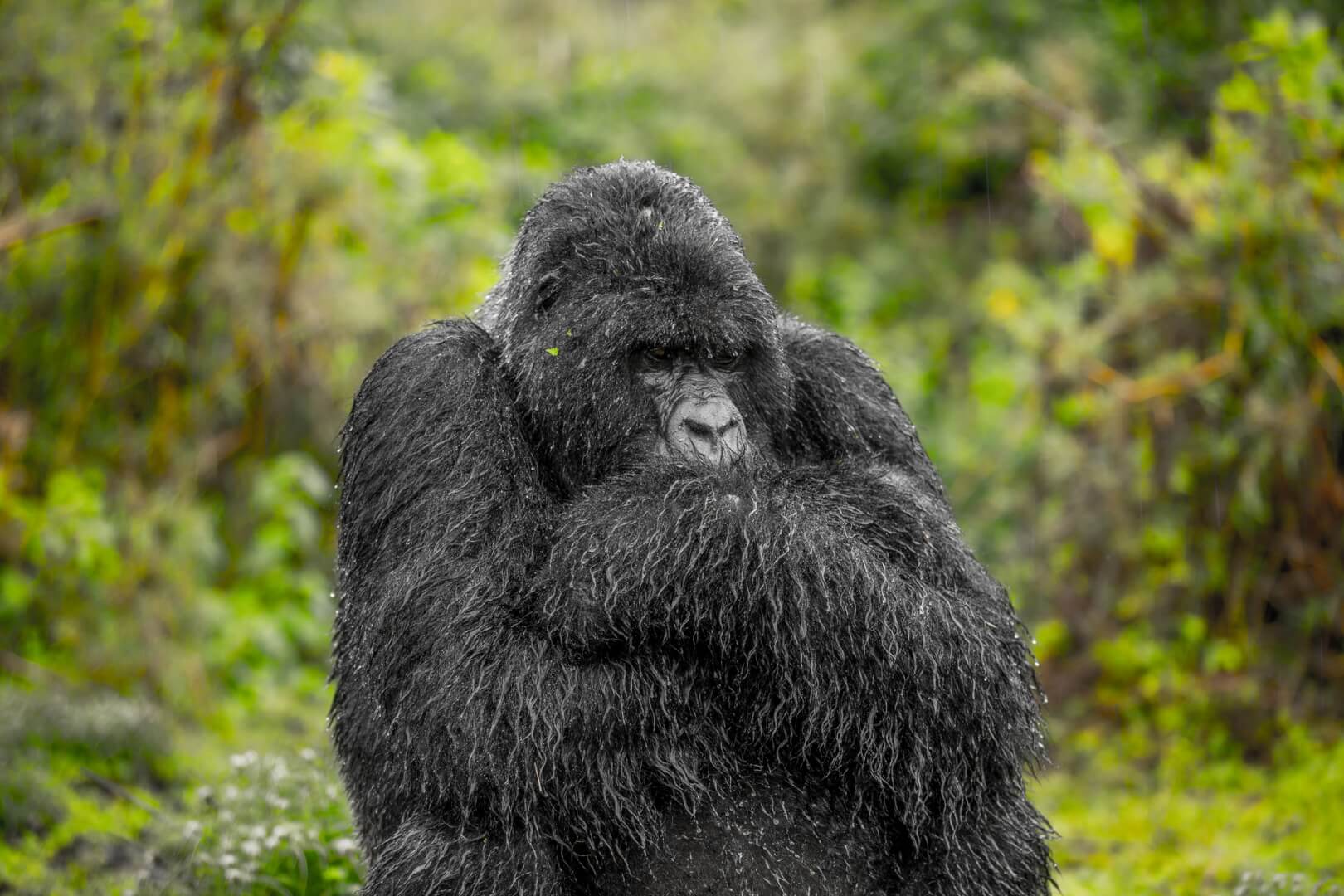
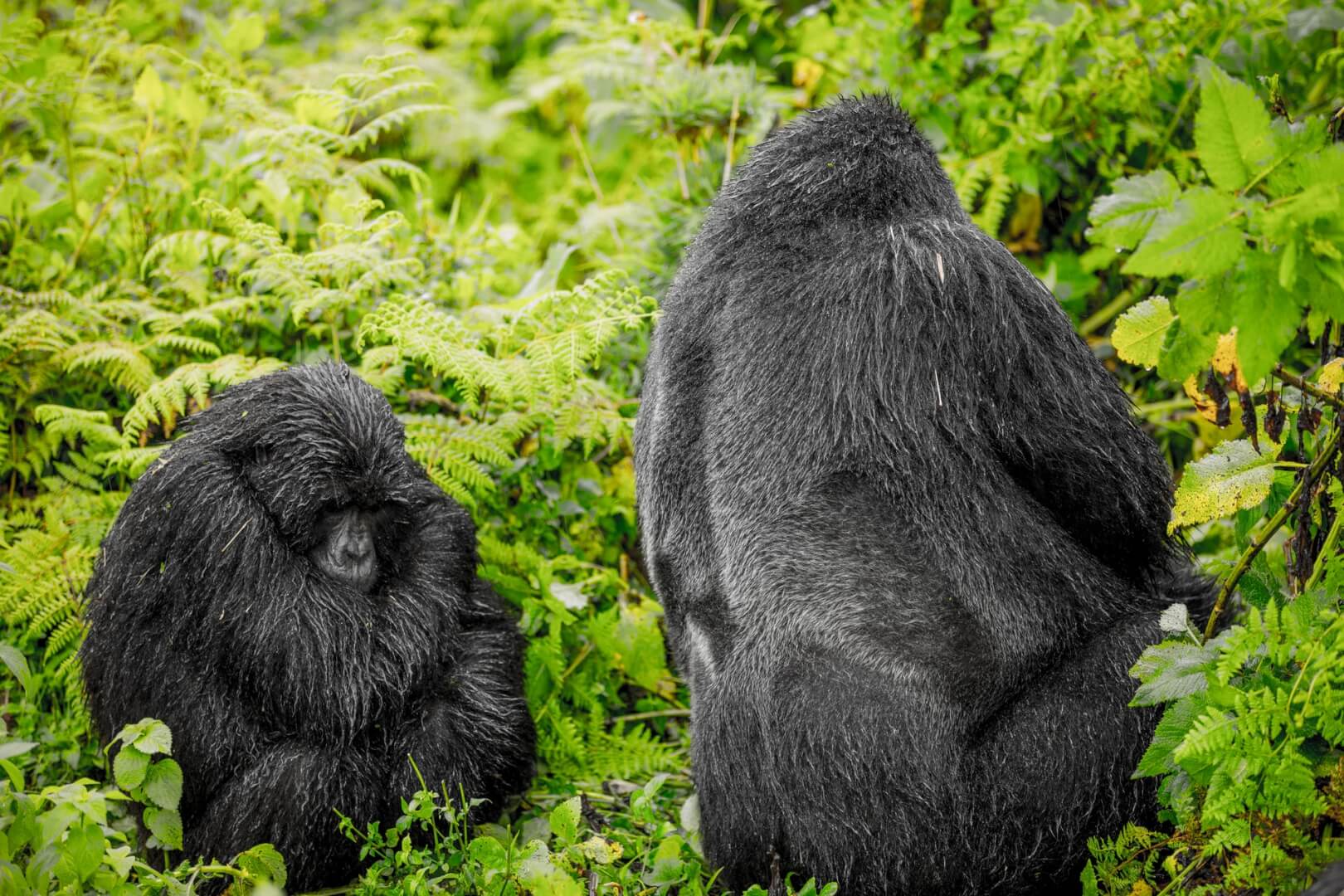
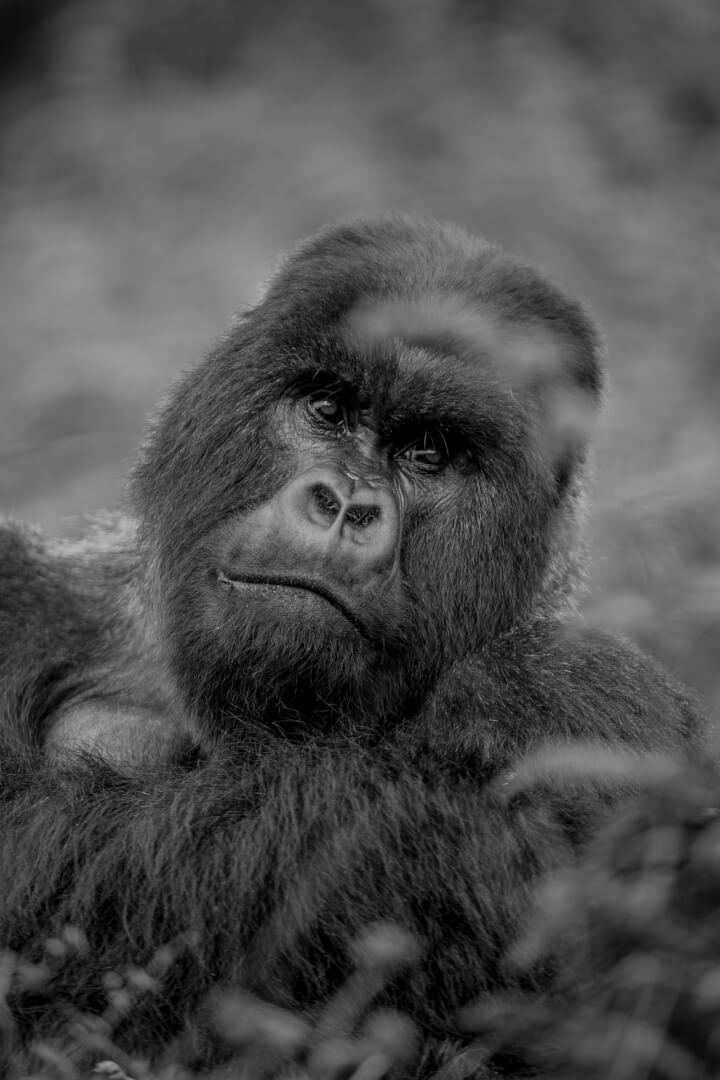
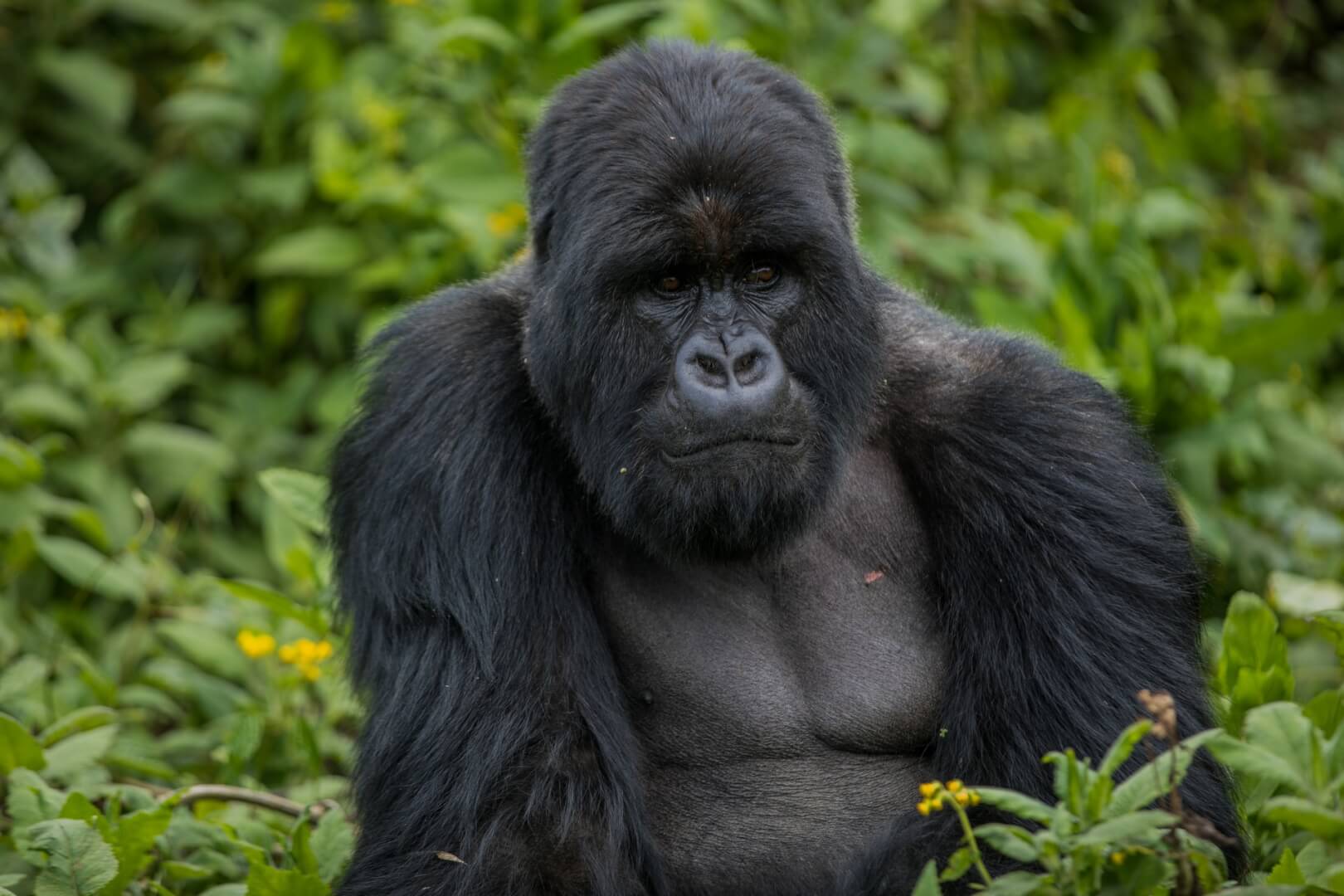
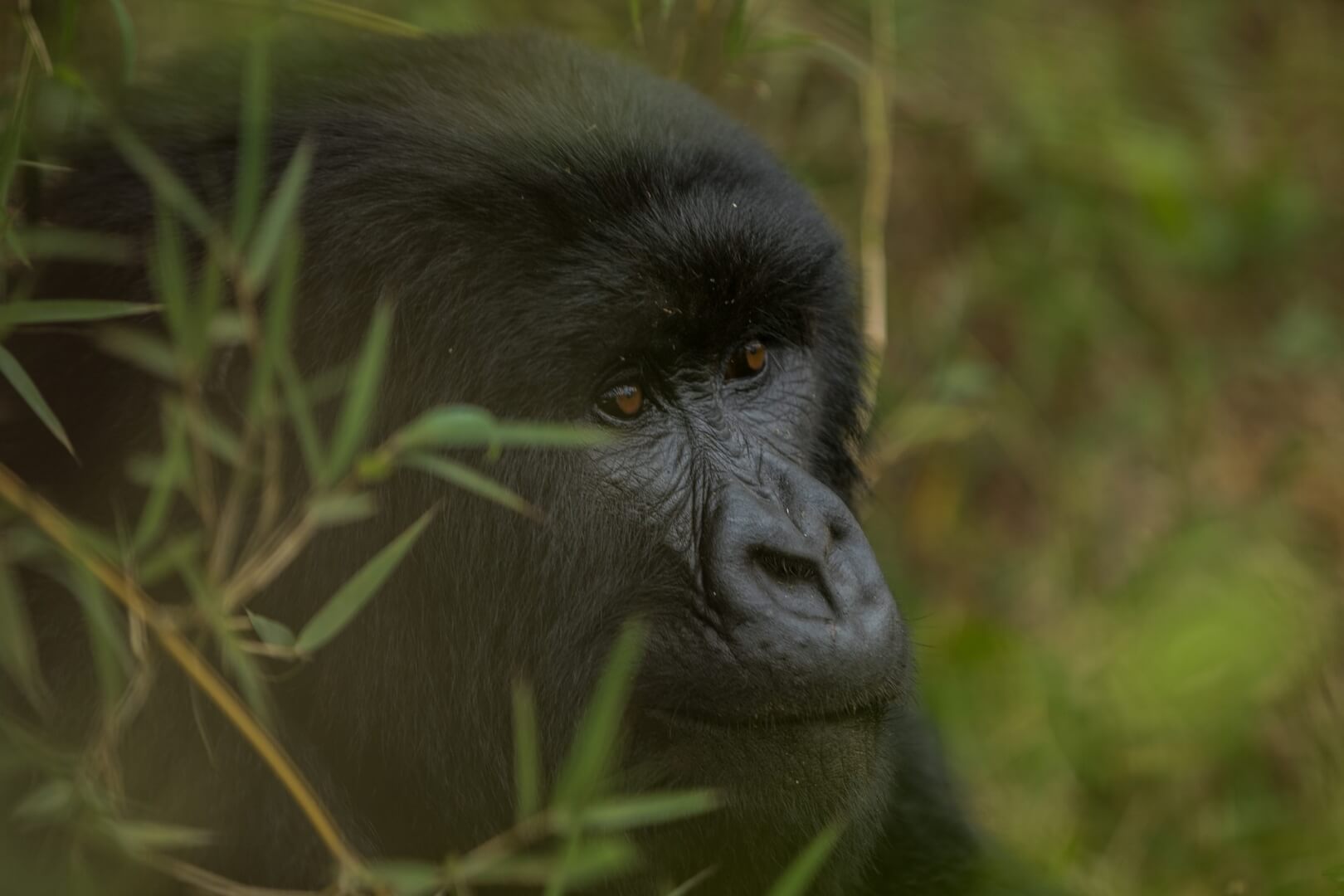
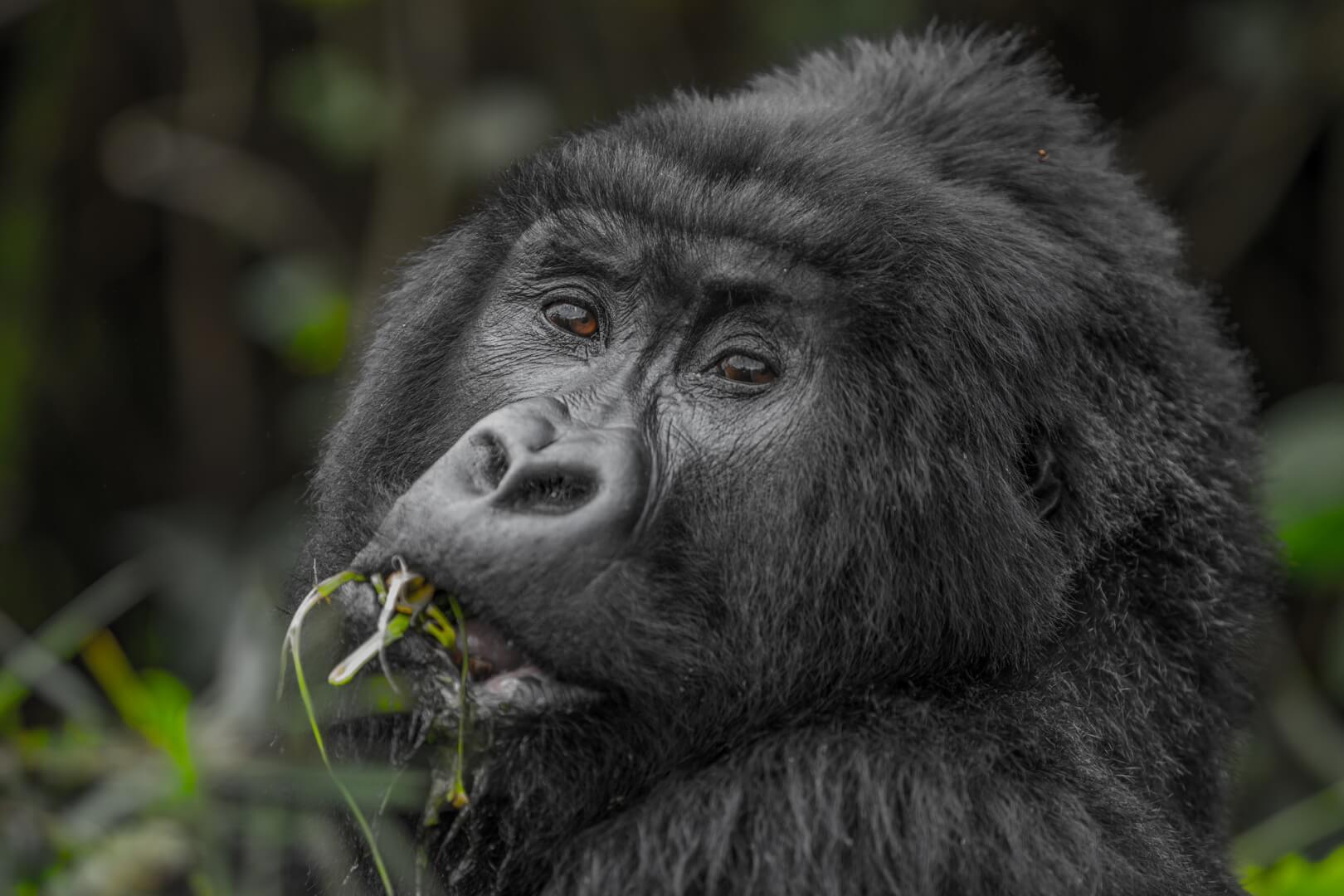
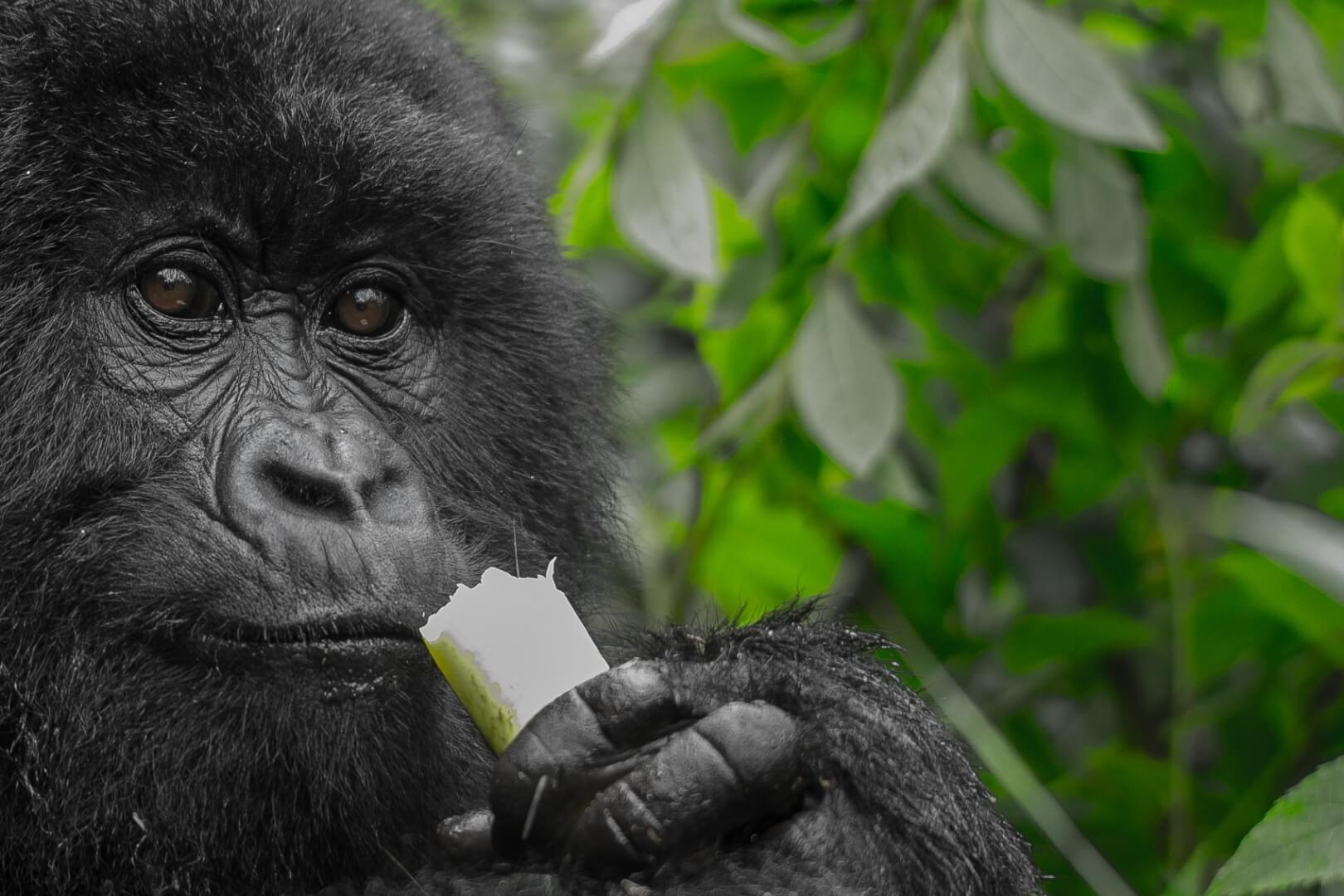
Embark on a journey through the captivating landscapes of Rwanda’s Volcanoes National Park, where the magic of gorilla trekking comes to life. Before planning your enchanting mountain gorilla trek safari, dive into the rich history and stories of the remarkable gorilla families within this magnificent park.

Kwitonda Family

Meet Kwitonda, a family of 18 gorillas with the dominant silverback, Karevuro. This family migrated to Rwanda in 2003, seeking refuge from external pressures. After the demise of the original leader, Kwitonda, in 2012, Karevuro emerged as the new leader. Witness the family’s resilience and dynamics as they navigate the rugged terrains between Mount Sabyinyo and Mount Gahinga.

Kwisanga Family

Discover Kwisanga, a newly formed family of 16 gorillas, led by the dominant silverback, Kigoma. Born out of a split from the Kwitonda group in May 2021, Kwisanga presents a fascinating tale of leadership struggles between Kigoma and Lisanga. Keep an eye on this evolving family as they navigate their way through the lush surroundings.

Muhoza Family

Enter the world of Muhoza, a family of 22 gorillas led by the dominant silverback, Marambo. With a question lingering about succession due to the young age of other male gorillas, Muhoza’s fate rests on Marambo’s health. Delve into the family’s history, originating from the Kwitonda group, and observe their growth over the past 7-8 years.

Amahoro Family

Experience the wonders of Amahoro, a family of 22 gorillas led by the dominant silverback, Gahinga. Uncover the mystery of Berwa, a 15-year-old male gorilla who has not undergone physical transformation. Journey back to the group’s habituation in 1996, interrupted by war, and witness their resilience as they opened for tourism in 2000.

Umubano Family

Explore Umubano, a family of 11 gorillas led by the dominant silverback, Charles. Originating from the Amahoro group, Umubano’s separation was marked by a lack of aggression. Witness the unique interactions as the two groups occasionally meet, interact, and feed together before going their separate ways.

Agashya Family

Meet Agashya, a family of 17 gorillas led by the dominant silverback, Agashya. Formerly known as Group 13, the family’s history involves the challenges faced after the death of the original leader, Murthi. Experience the transition of leadership as Agashya took over, culminating in the official naming of the group in 2010.

Susa Family

Step into the legacy of Susa, a family of 16 gorillas led by the dominant silverback, Mpuzamahanga. Originally the largest gorilla group, Susa’s split in 2009 resulted in the formation of Susa A and Susa B. Discover the family’s significance in gorilla history, including the first set of surviving twins born in 2004.

Igisha Family

Encounter the grandeur of Igisha, the largest gorilla family in Volcanoes National Park, consisting of 35 gorillas led by the dominant silverback, Igisha. Trace the family’s split from the original Susa in 2014 and marvel at Igisha’s protective nature, ensuring the safety of the group.

Isimbi Family

Unveil the story of Isimbi, a family of 21 gorillas led by the dominant silverback, Muturengere. Formed through a split from the Karisimbi group in 2012, Isimbi faced challenges after the death of Getty. Witness Muturengere’s leadership as he navigates encounters with other groups and secures the well-being of his family.

Sabyinyo Family

Embark on a journey with Sabyinyo, a family of 15 gorillas led by the dominant silverback, Gihishamwotsi. Learn about the group’s origin and the strategic moves made after the death of Silverback Murthi, resulting in the formation of the Sabyinyo family.

Hirwa Family

Discover the resilience of Hirwa, a family of 15 gorillas now led by the dominant silverback, Uburanga, following the sudden death of Munyinya. Explore the group’s history, marked by strategic additions from surrounding groups, and witness the anticipation of twin blackbacks turning into silverbacks.

Titus Family

Celebrate the life of Titus, a family of 9 gorillas led by the dominant silverback, Pato. Dive into Titus’s remarkable journey from his birth in 1974 to becoming a respected leader, siring numerous offspring. Explore the family’s dynamics and the transition of leadership after Titus’s passing in 2009.

Segasira Family

Uncover the legacy of Segasira, a family of 8 gorillas led by the dominant silverback, Segasira. Born from the lineage of the legendary silverback Titus, Segasira seized the opportunity to form his own family in 2022, showcasing the resilience and adaptability of these majestic creatures.

Pablo Family

Witness the endurance of the Pablo family, consisting of 18 gorillas led by the dominant silverback, Ubwuzu. Follow the family’s journey, from the leadership transition after Pablo to the challenges of maintaining a large group. Explore the family’s existence for over 25 years and the dynamics of silverbacks vying for dominance.

Mutobo Family

Delve into the story of Mutobo, a family of 9 gorillas led by the only silverback, Mutobo. Follow the young silverback’s journey as he formed his own group at the age of 14, showcasing the determination and independence of these incredible creatures.

Dushishoze Family

Explore the independence of Dushishoze, a family of 9 gorillas led by the only silverback, Dushishoze. Born in 2003 from the famous Cantsbee, Dushishoze decided to leave Pablo and form his own group, highlighting the individual choices and dynamics within gorilla families.

Kureba Family

Witness the formation of Kureba, a family of 9 gorillas led by the dominant silverback, Kureba. Created on June 14th, 2017, this family faced initial difficulties during its formation. Experience the unique journey of Kureba as he reunites with separated members, showcasing the resilience of gorilla families.

Ntambara Family

Step into the world of Ntambara, a family of 14 gorillas led by the dominant silverback, Twibuke. Explore the family’s history, marked by the succession challenges after the deaths of Ntambara and Ugutsinda. Witness Twibuke’s growth into the role of dominant silverback and the thriving dynamics within the group.

As you embark on a gorilla trekking adventure in Rwanda’s Volcanoes National Park, each family offers a unique and enthralling glimpse into the lives of these incredible creatures. From the youngest members to the seasoned silverbacks, the stories of resilience, leadership, and familial bonds create.
The Ultimate Guide to Mountain Gorilla Trekking in Uganda and Rwanda

Understanding Mountain Gorillas & the Trekking experience in Rwanda & Uganda

Overview of Mountain Gorillas

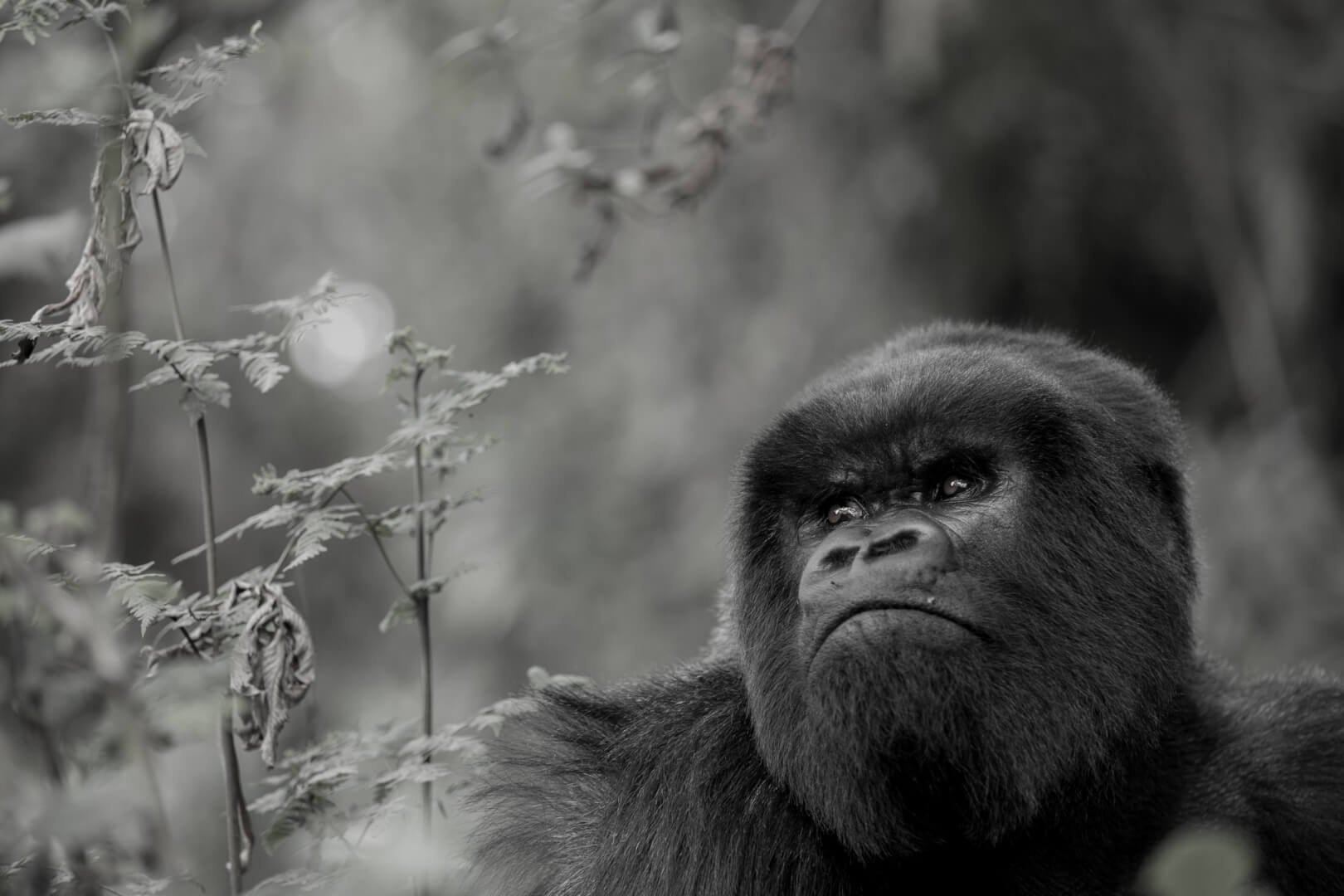
Mountain Gorillas, astonishingly akin to humans, showcase unique features, such as the rare baldness exhibited by one exceptional silverback. Unlike human baldness associated with aging, this gorilla was born with this distinctive trait. Despite losing the dominant silverback’s fame, this uncommon feature aids him in defending his family. The baldness serves as a deterrent, scaring off lone silverbacks attempting to challenge his family’s territory. With a world population of 1063, mountain gorillas are endemic to highland regions, marking a celebrated conservation success story over the past 30 years.

Ultimate Guide to Gorilla Trekking in Rwanda and Uganda

Gorilla Permit Booking:

Gorilla permits are in high demand, especially during peak seasons (May-September) and (December-February). Booking your trip at least a year in advance increases your chances of securing permits for your preferred dates. The first-come, first-serve basis in Rwanda and Uganda requires timely planning to avoid disappointment. The best trekking season is from May to September and late December to March, ensuring optimal trail conditions, although gorilla trekking is available throughout the year.

Essential Gear and Weather Preparations:

To prepare for the unpredictable weather, all gorilla trekkers are advised to carry rain jackets, coats, and pants. Wearing long sleeves and pants is crucial due to stinging plants in the forest, and gardening gloves are recommended. The mountain gorillas, habituated to human presence over the years, allow trekkers to spend at least one hour observing them, making it a truly “once in a lifetime experience.”

Ultimate Guide to Gorilla Trekking in Rwanda and Uganda

Geographical Distribution of Mountain Gorillas:

Mountain gorillas inhabit three countries: RwandaUganda, and the Democratic Republic of Congo. They reside in two main habitats: the Virunga Massive Conservation Area and Bwindi Impenetrable Forest, encompassing four national parks: Virunga National Park in Congo, Volcanoes National Park in Rwanda, Mgahinga National Park, and Bwindi Impenetrable National Park in Uganda.

Survival Challenges and Gorilla Trekking:

Mountain gorillas, adapted to high-altitude environments, face survival challenges elsewhere due to their habitat specificity. Past attempts to keep them in international zoos failed, highlighting their need for the wild. Gorilla trekking requires a moderate level of fitness, with hikes lasting 3-8 hours round trip. The trek offers three categories: easy, medium, and long/hard, allowing participants to choose their preferred difficulty level. Additionally, stretcher options are available for those with physical limitations.

Annual Gorilla Baby Naming Ceremony:

September travelers have the unique opportunity to witness the annual Mountain Gorilla baby naming ceremony. Since 2004, Rwanda has been honoring new babies with names, turning the ceremony into one of the country’s major tourism events.

Choosing the Right Tour Operator:

Selecting the right tour operator is crucial for a successful gorilla trekking safari. A reputable operator provides valuable advice on accommodations, guides, and ensures your gorilla permits are secured, setting the stage for a lifetime adventure.

Conclusion: An Unforgettable Safari Experience

Embarking on a mountain gorilla trekking safari in Rwanda or Uganda offers a profound connection with nature and a rare glimpse into the lives of these majestic creatures. This ultimate guide equips you with the knowledge needed to maximize your journey, covering essential preparations, packing tips, ideal visit times, and the unique experiences each country offers. Prepare for an extraordinary safari that will create lasting memories.

Exploring Rwanda and its Gorilla Kingdom

Rwanda is known as the Land of a Thousand Hills, is home to these majestic giants drawing wildlife enthusiasts and adventurers from across the globe. Join me on a journey into the heart of Rwanda as we unravel the mysteries and marvels of its wilderness.

The Gorilla Kingdom

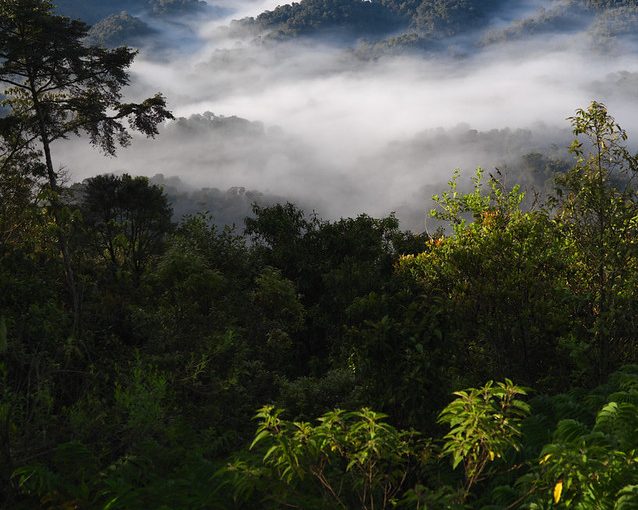
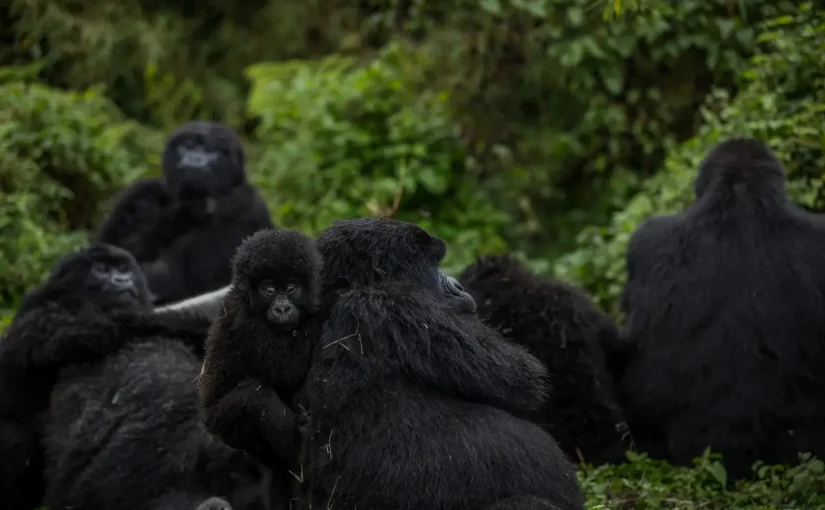
As dawn breaks over the misty valleys around Volcanoes National Park, the kingdom of the mountain gorillas comes to life and a day filled with a series of events from feeding, playtime for babies and juveniles, nap time or even movement to areas with a better range of food variety. Here, amidst a backdrop of verdant foliage and towering peaks of the Volcanoes, the gentle giants roam freely in their natural habitat. Learn about the intricate social structures within gorilla families and the remarkable behaviors that define their existence.

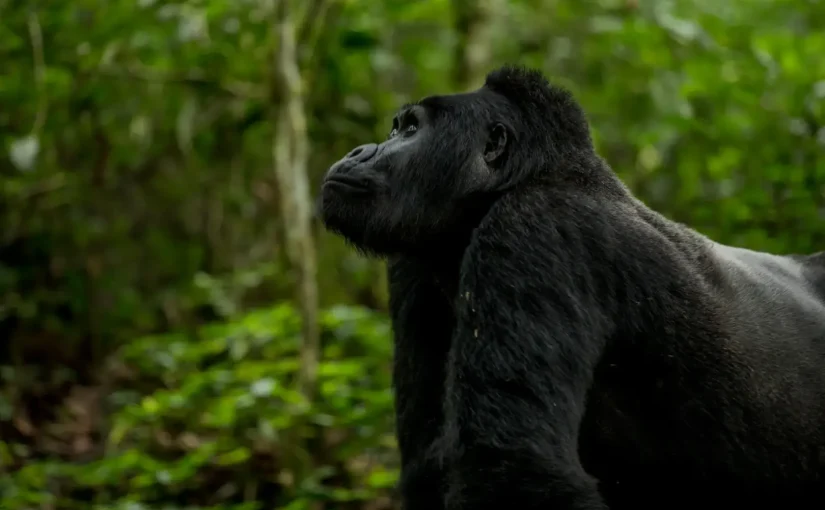
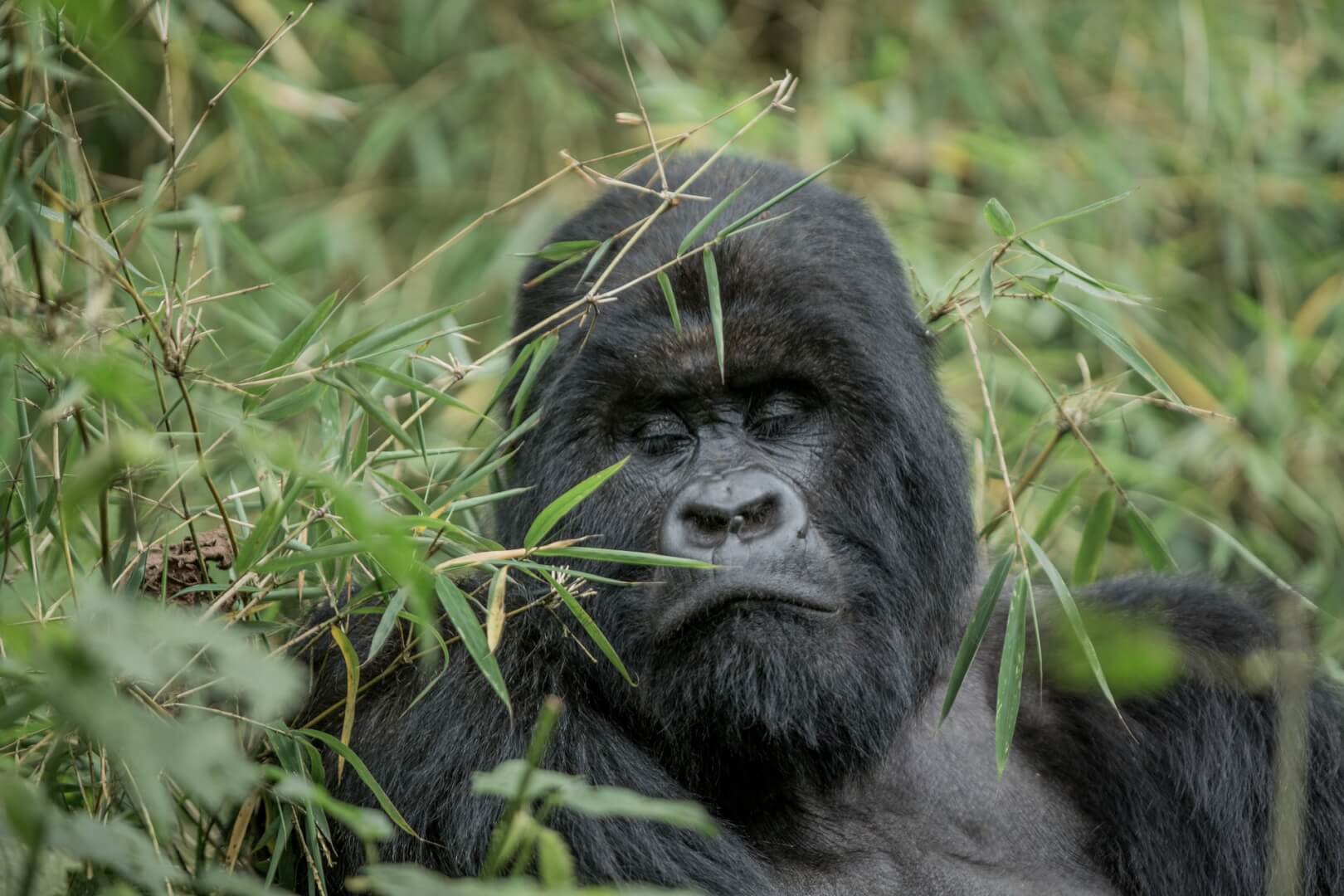
Each gorilla family has a leading silverback and this will be a tittle main gorillas obtain from the age of about 10-12 years, a gorilla family can have 2 or 3 silverback but you will always have 1 dominant male who makes the rules and virtually is responsible for ensuring family growth meaning his the only male gorilla to mate with the females.

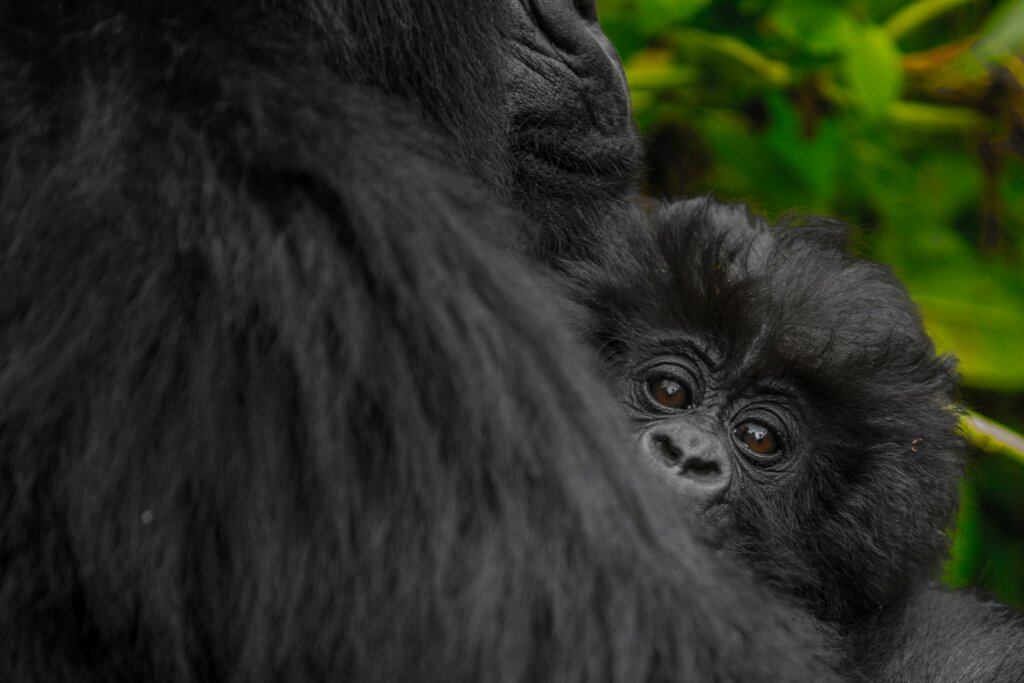
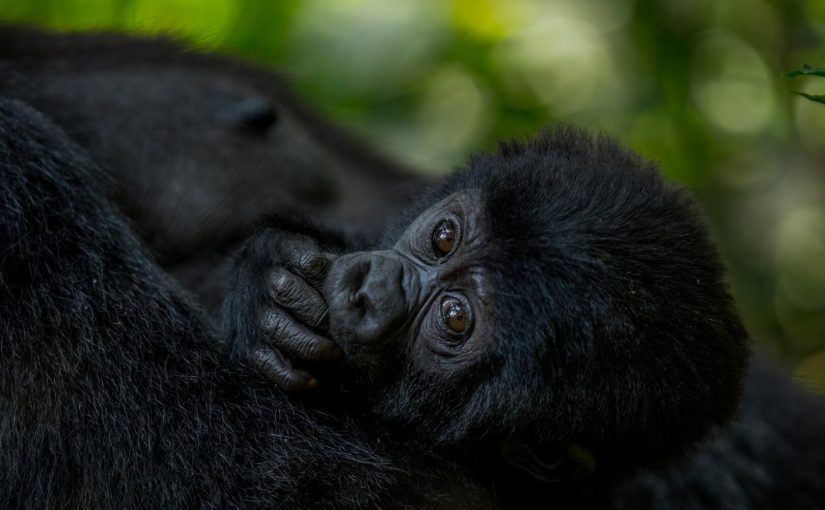
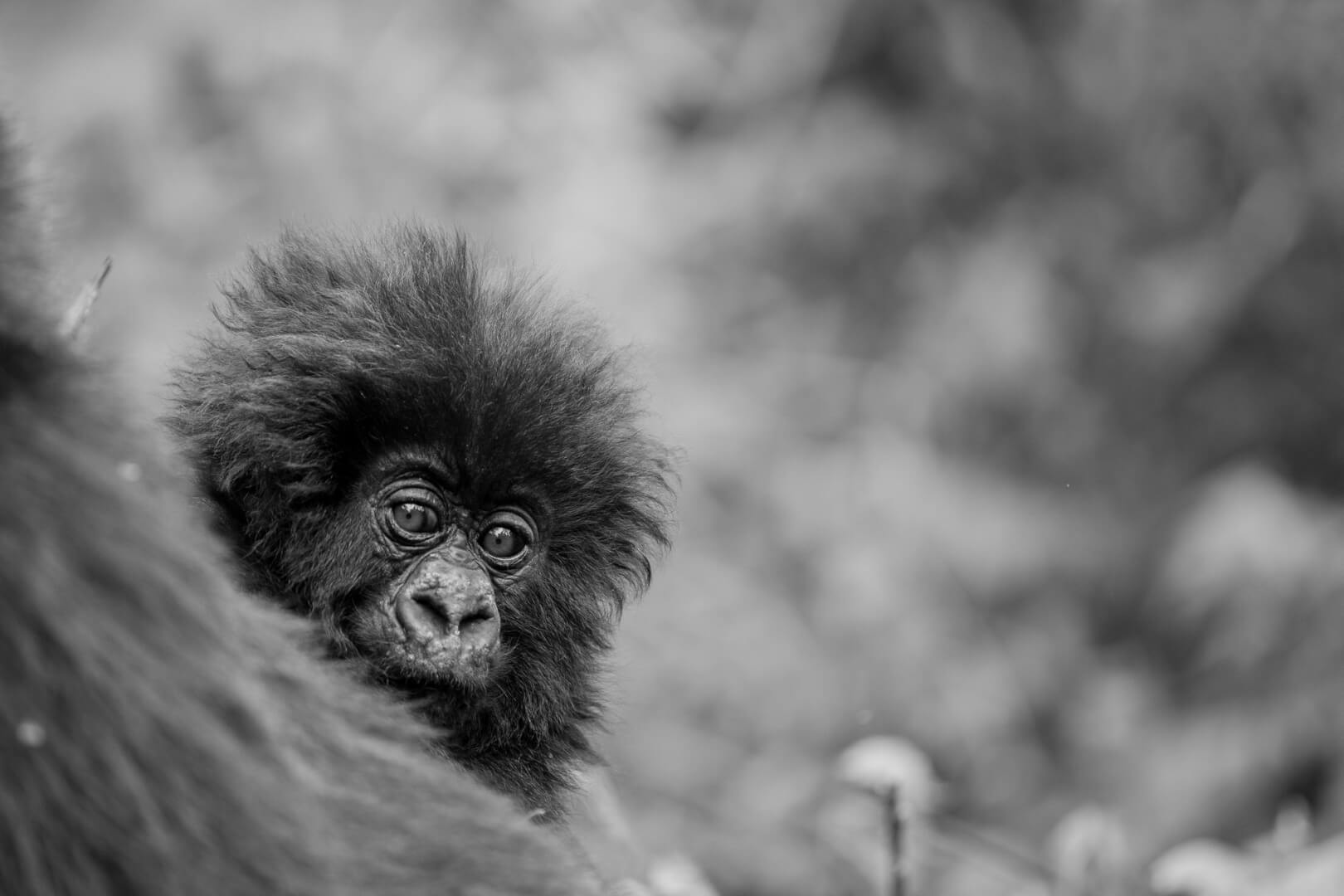
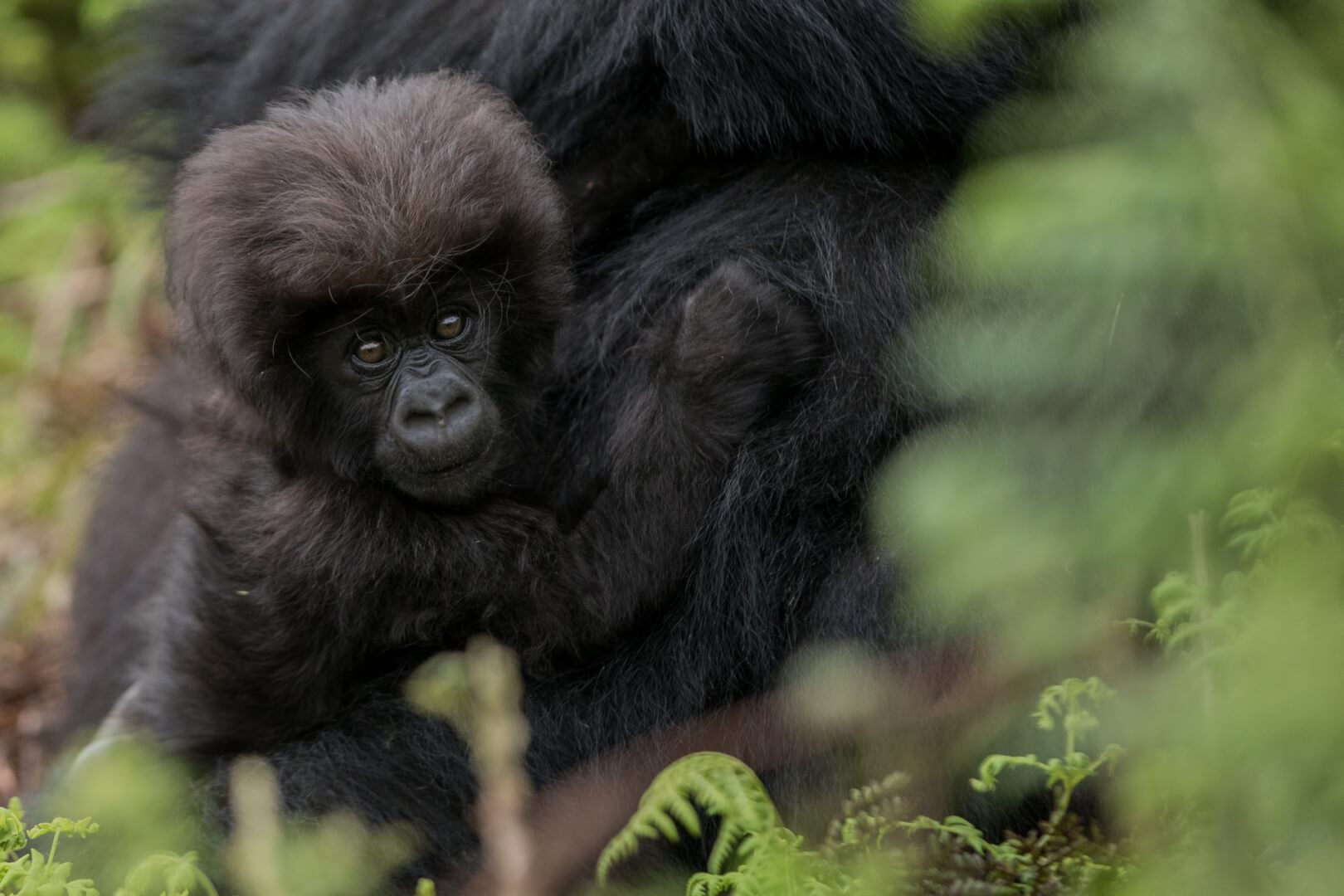
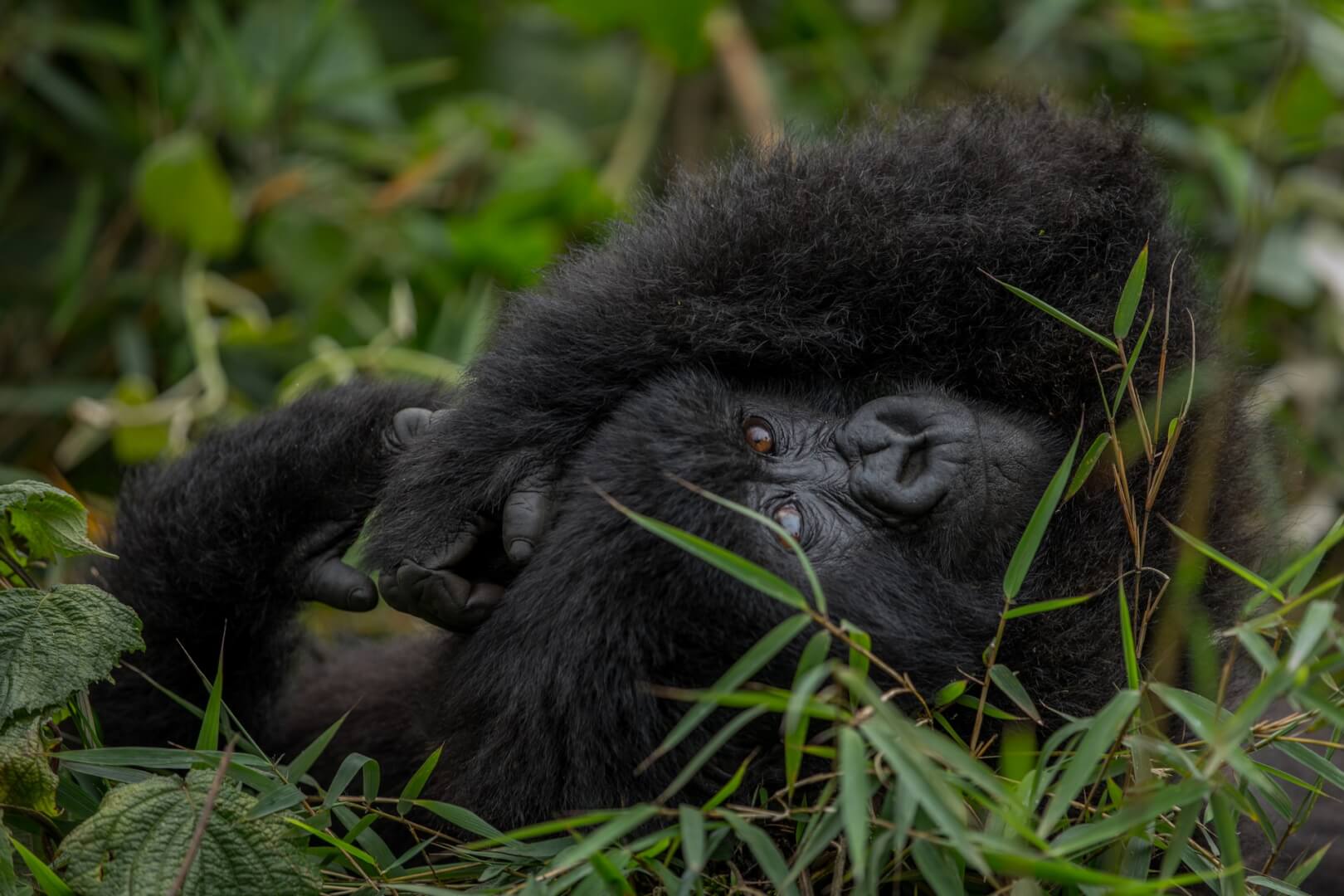
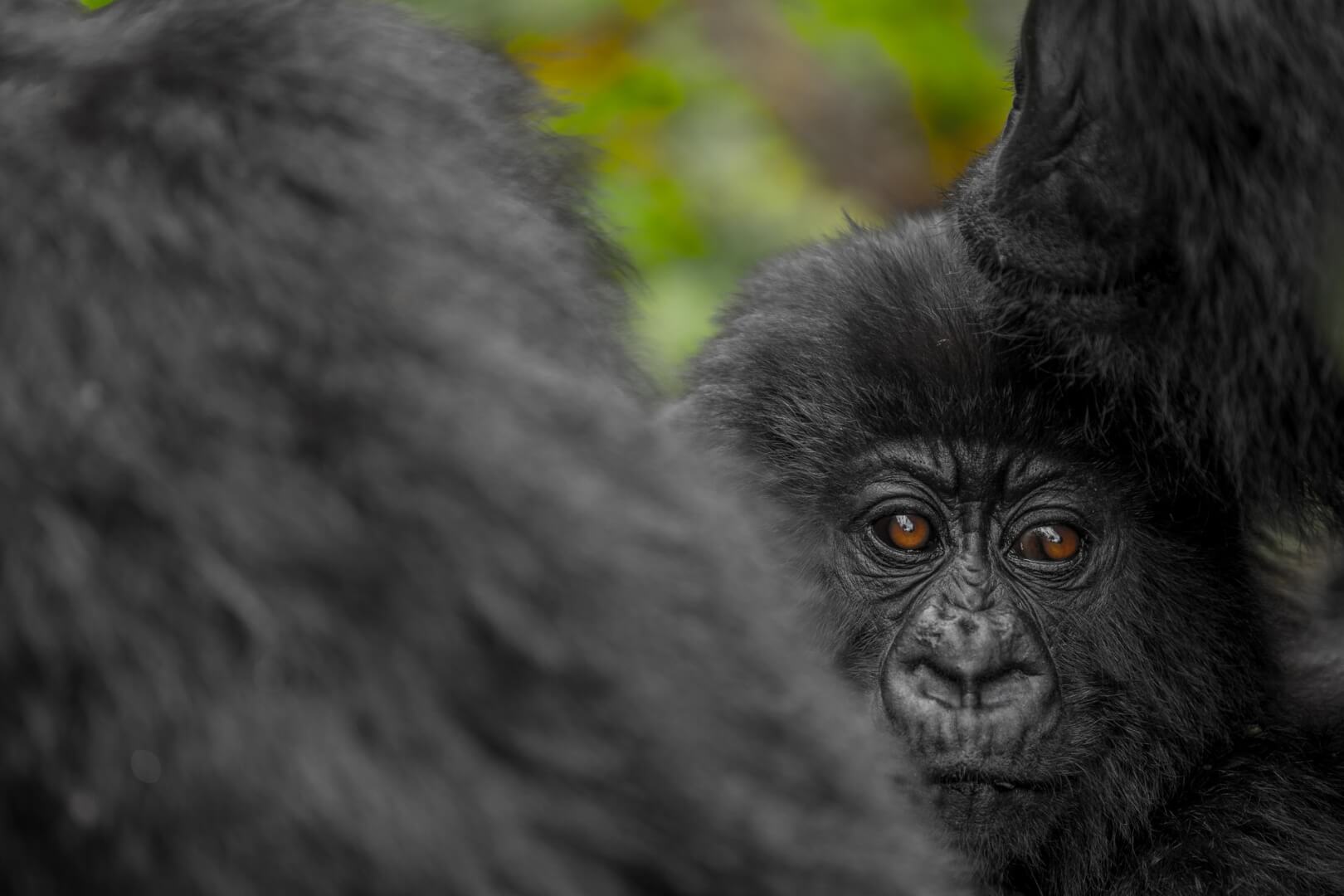
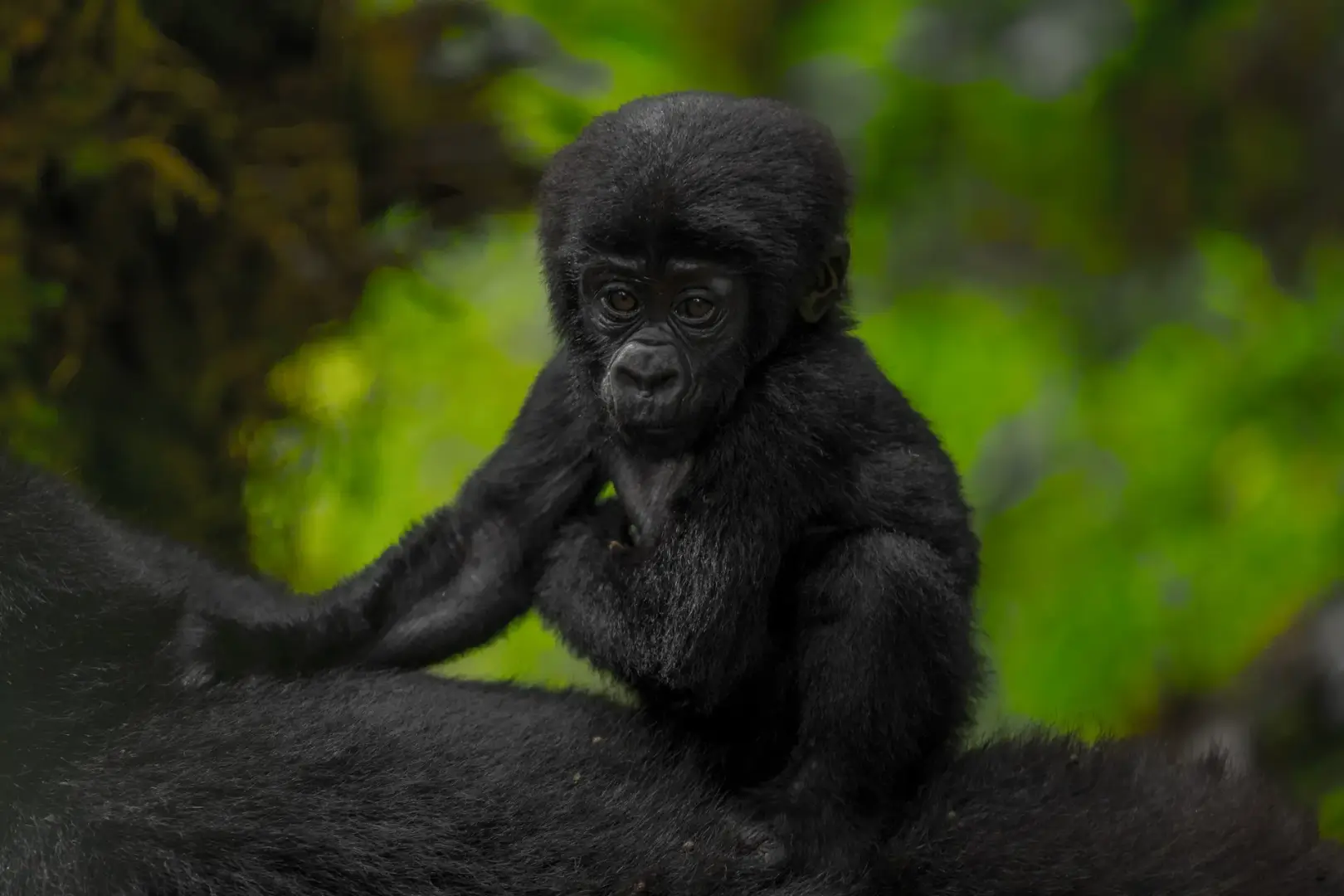
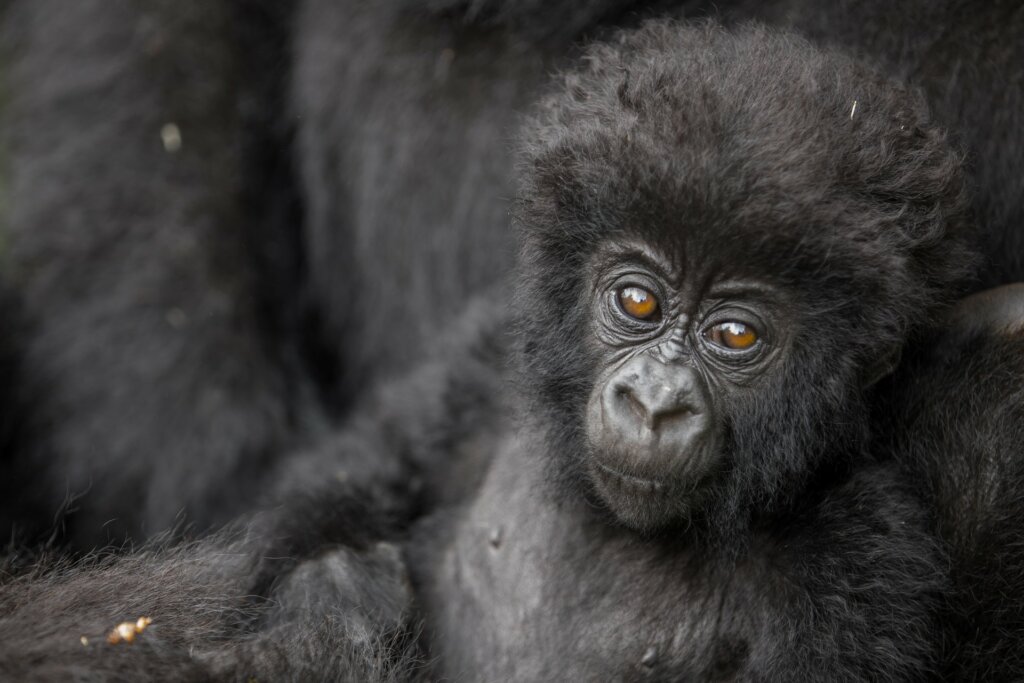
Mountain gorilla babies are very dependent to their mother until the age of about 2 and half to 3 years, when you head out for a gorilla trekking experience you will notice all babies are very close to their mothers.

Conservation Triumph

Delve into Rwanda’s inspiring conservation efforts that have safeguarded the future of its gorilla population. In the past years we have seen the mountain gorilla population nearly increase by about 5 times since the times of the legend herself Dian Fossey, the current population of Mountain Gorilla is 1061 in the 3 countries (Rwanda, Uganda and Democratic Republic of Congo) with the existing transboundary collaboration this has ensured a sustainable population growth in the past 2-3 decades.

From pioneering anti-poaching initiatives to community-based eco-tourism projects, discover how Rwanda has become a global leader in wildlife conservation. Meet the dedicated rangers and researchers who work tirelessly to protect these endangered primates and the ecosystems they inhabit.

Trekking Encounters

Strap on your hiking boots and embark on a once-in-a-lifetime gorilla trekking adventure. Follow experienced guides deep into the forest, where every rustle of leaves and distant hoot echoes the presence of these magnificent creatures.

Experience the thrill of coming face to face with a silverback gorilla, observing their playful antics and powerful yet gentle demeanor from a respectful distance.

Mountain Gorillas trekking is a life changing experience and will never this you the same. Take a moment to enjoy this magical and thrilling adventure when you have an opportunity to trek.

Beyond Gorillas

While Rwanda’s gorillas steal the spotlight, the country’s biodiversity extends far beyond its iconic inhabitants. Explore the rich tapestry of flora and fauna that call Rwanda home, from elusive golden monkeys to colorful bird species.

Venture into Nyungwe Forest National Park home to over 13 species of primates, 26 Albertine rift endemic and a total of nearly 300 species and Akagera National Park to witness the unparalleled beauty of Rwanda’s wilderness, this is home to the big 5 game like elephants, buffaloes, leopard, lions and buffaloes over a dozen species of antelopes, hippos, crocodiles and nearly 450 species of birds.

Cultural Emersion

A visit to Rwanda is not complete without experiencing its vibrant culture and heritage. Engage with local communities and gain insights into traditional Rwandan lifestyles, from dance performances to handicraft demonstrations. Sample authentic Rwandan cuisine and immerse yourself in the warmth and hospitality of the Rwandan people.

As our journey through Rwanda’s Gorilla Kingdom comes to an end, the memories of encounters with these remarkable creatures linger on. From the mist-shrouded forests of Volcanoes National Park to the bustling streets of Kigali, Rwanda captivates the hearts and minds of all who venture within its borders. Join me in celebrating the beauty and resilience of Rwanda’s gorillas, a symbol of hope for conservation efforts worldwide.

Exploring The Rich Biodiversity of Uganda

Mountain Gorilla Trekking In Bwindi Impenetrable Forest & Mgahinga Gorilla National Park

Tucked away in the verdant landscapes of southwestern Uganda is a unique natural paradise waiting to be discovered: Bwindi Impenetrable National Park. Concealed within ancient forests, misty valleys, and towering peaks, this UNESCO World Heritage Site calls out to adventurers and nature lovers alike, inviting them to delve into its extraordinary biodiversity and cultural significance.

At the heart of Bwindi lies its most precious treasure: the endangered mountain gorillas. With a population of over 400 individuals freely roaming through its dense vegetation, the park offers an unparalleled opportunity to trek through rugged terrain in search of these majestic creatures. Each encounter with these awe-inspiring animals serves as a poignant reminder of the delicate interplay between humanity and the natural world.

In addition to its iconic gorillas, Bwindi boasts a diverse array of flora and fauna, including more than 400 plant species and a variety of wildlife such as chimpanzees, colobus monkeys, and numerous bird species. The park’s varied ecosystems teem with life, from the lush canopy-covered slopes to the serene riverbanks below, forming a rich tapestry of biodiversity waiting to be explored.

Beyond its natural beauty, Bwindi’s charm also lies in its rich cultural heritage. Housing various indigenous communities, including the Batwa pygmies, the park stands as a vibrant showcase of traditional ways of life and practices. Visitors are offered the chance to interact with local residents, gaining a glimpse into ancient customs and forming meaningful connections.

Exploring Bwindi Impenetrable National Park is a voyage of discovery, an opportunity to witness the unadulterated beauty of nature and the enduring spirit of humanity. Whether embarking on treks through dense forests in pursuit of gorillas, observing birds in the canopy, or simply reveling in the tranquility of the surroundings, every moment spent here underscores the vital significance of conservation and safeguarding.

In Bwindi, the seemingly impenetrable transforms into an inviting realm, beckoning travelers to delve into its enigmas and emerge forever transformed by the encounter. It stands as a place where the primal cadences of the natural world harmonize with the timeless traditions of humankind, crafting an indelible tapestry of life, love, and exploration.

Kibale National Park – Chimpanzee Trekking

Known as the “Primate Capital of the World,” Kibale National Park boasts the highest concentration of primates in Africa, including our closest relatives, the chimpanzees. Venturing into the dense forest to seek out these intelligent creatures provides an unforgettable opportunity to observe them in their natural environment and witness their behaviors firsthand.

A key attraction of a visit to Kibale is the chance to participate in an exciting chimpanzee trek. Accompanied by knowledgeable guides, visitors set out into the forest in search of these captivating apes. The anticipation mounts as you navigate the intricate trails, culminating in the thrilling moment when you come face to face with a troop of chimpanzees swinging through the treetops or foraging on the forest floor. Watching their playful interactions and listening to their distinctive calls reverberating through the canopy creates a truly enchanting experience.

From exhilarating primate encounters to breathtaking natural scenery, Kibale National Park promises a wilderness adventure like no other. Whether you crave excitement, peaceful moments in nature, or a deeper connection with the wild, this exceptional destination caters to all preferences. So, prepare your bags, lace up your hiking boots, and set off on an unforgettable expedition into the heart of Kibale National Park. Your next extraordinary adventure awaits!

Queen Elizabeth National Park and The Tree Climbing Lions of Ishasha

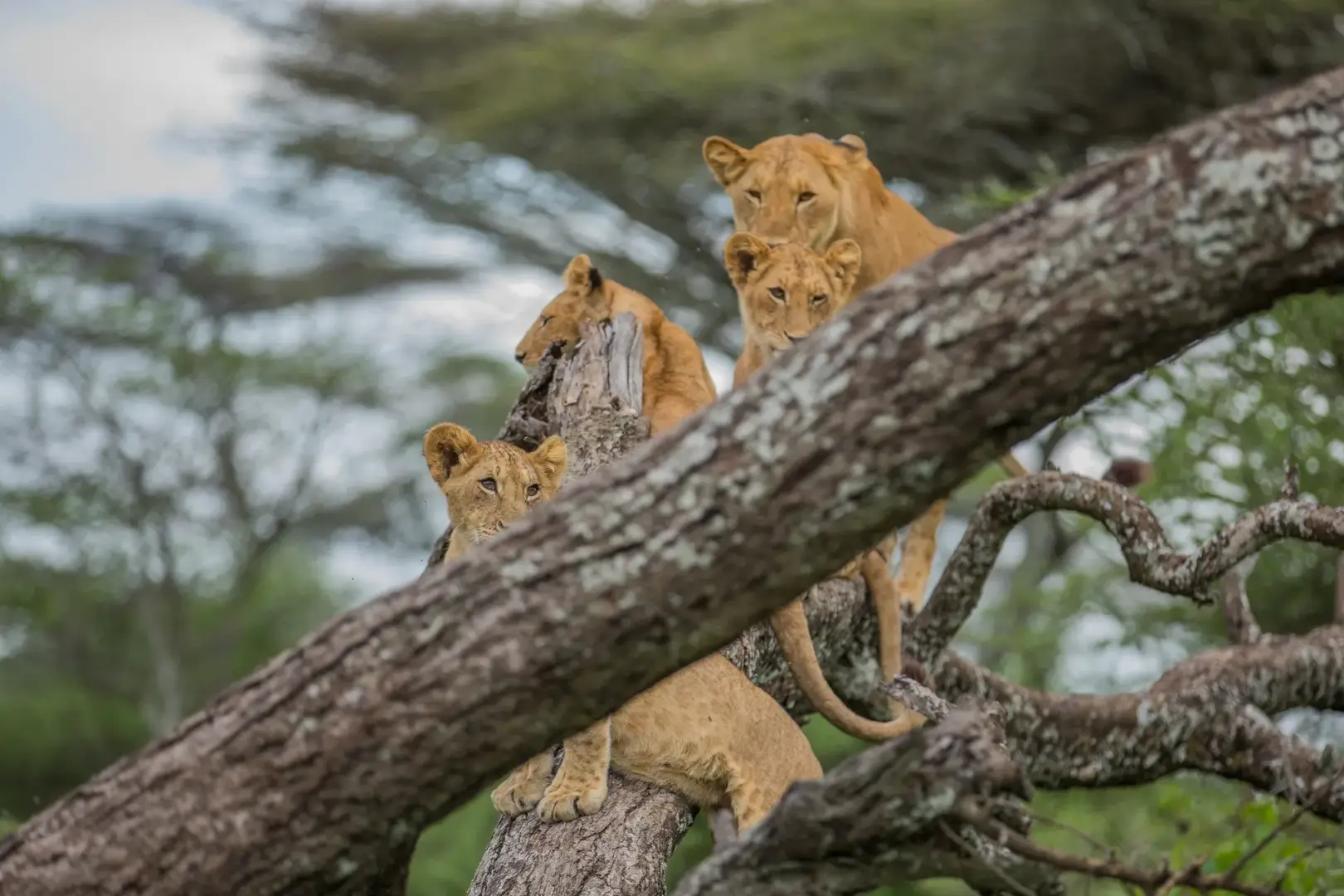
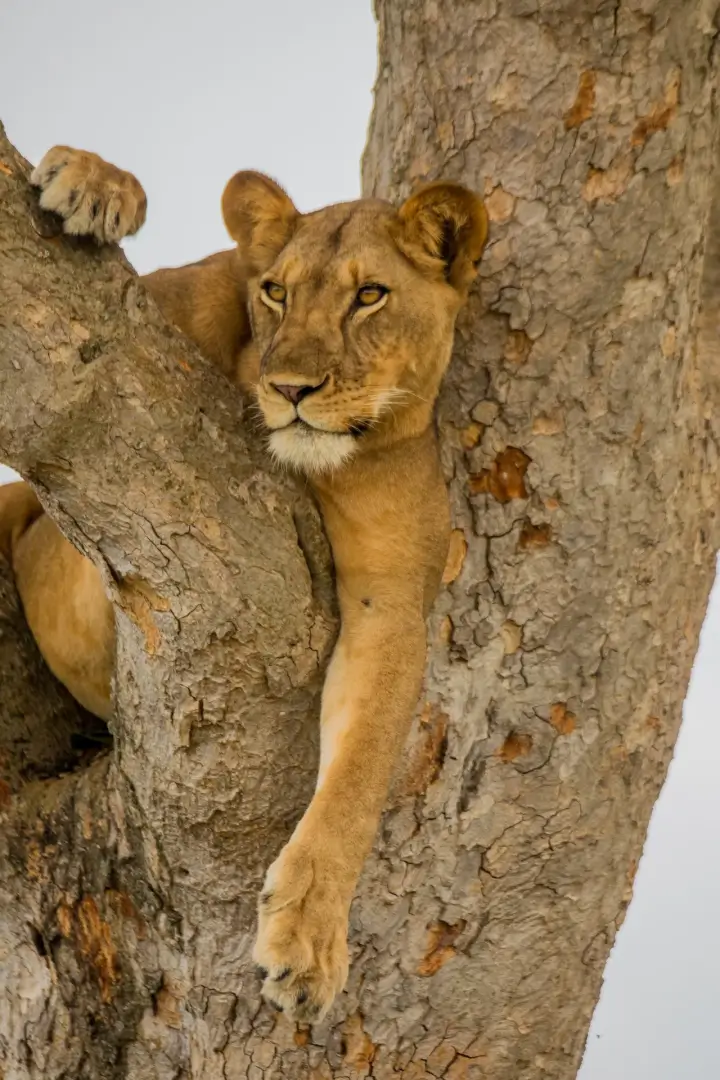
Queen Elizabeth National Park, a gem of the East African landscape, showcases a remarkable diversity of wildlife. Among its many attractions are the mysterious tree-climbing lions, a phenomenon that continues to enchant and fascinate visitors from across the world.

Picture yourself driving through the park’s savannah, where the golden grasslands stretch endlessly before you, adorned with majestic euphorbia candelabrums, towering fig trees, and scattered acacias.

The tree-climbing lions of Queen Elizabeth National Park are not a distinct species; rather, they belong to a unique group of African lions that have adopted an extraordinary behavior rarely observed elsewhere. The reasons behind their tree-climbing behavior remain a topic of debate among researchers. Some speculate that it could be a way to escape the heat and avoid pests on the ground, while others suggest it might offer a strategic advantage for hunting or territorial surveillance.

If you are enchanted by the unbridled beauty of Africa and seeking an unparalleled adventure, consider a visit to Queen Elizabeth National Park. Amidst its expansive panoramas and abundant wildlife, you might be fortunate enough to witness the breathtaking sight of lions defying gravity as they rule from their leafy perches.

Let the enchantment of the tree-climbing lions ignite your spirit of exploration, wonder, and appreciation for the marvels of the natural world.

Murchison Falls National Park

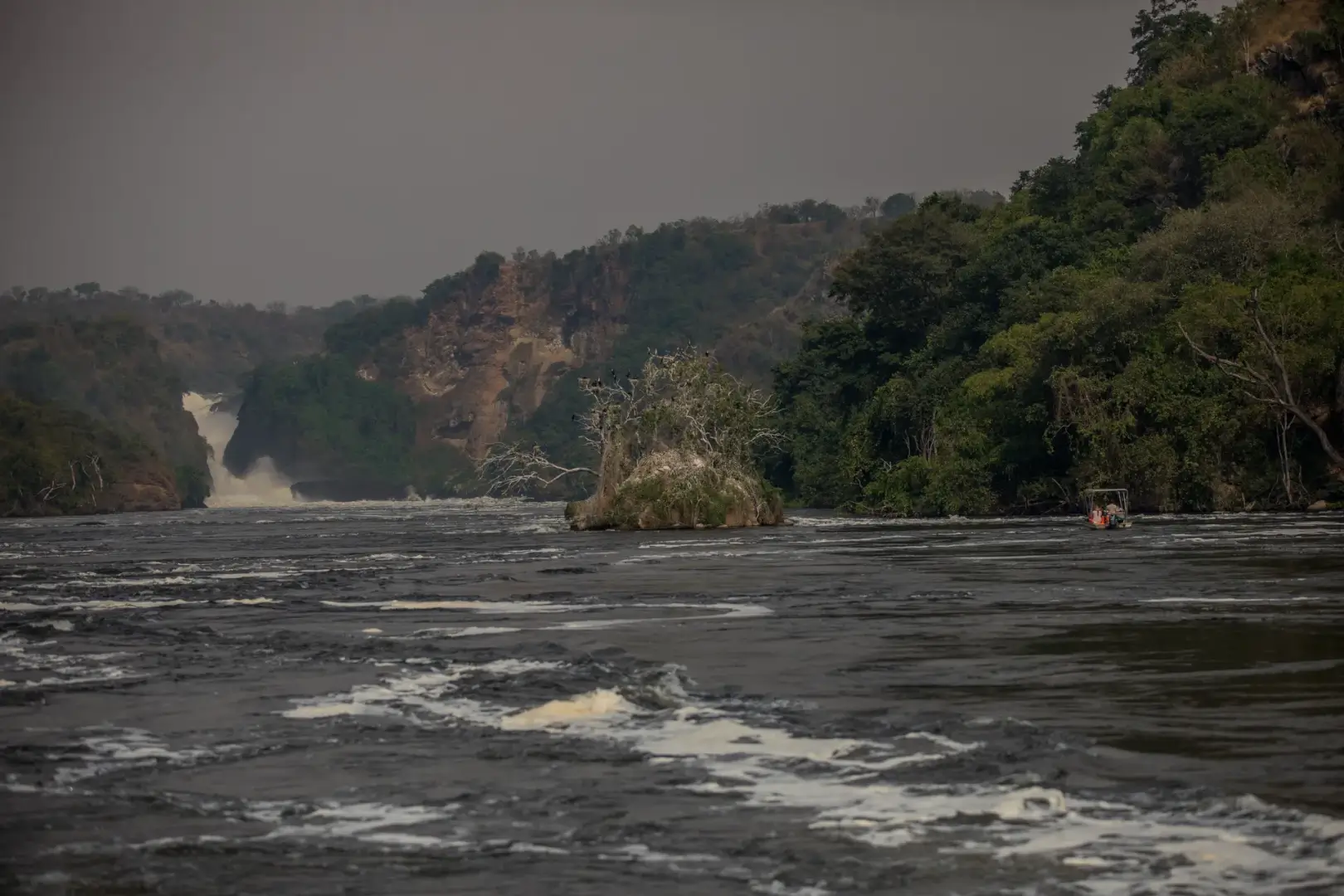
Undoubtedly, one of the primary draws of the park is the majestic Murchison Falls themselves. Here, the Nile River funnels through a narrow 7-meter gorge before plummeting 43 meters into a frothy cascade below. The spectacle of the water roaring down the falls is truly breathtaking, etching a lasting impression on all who behold it.

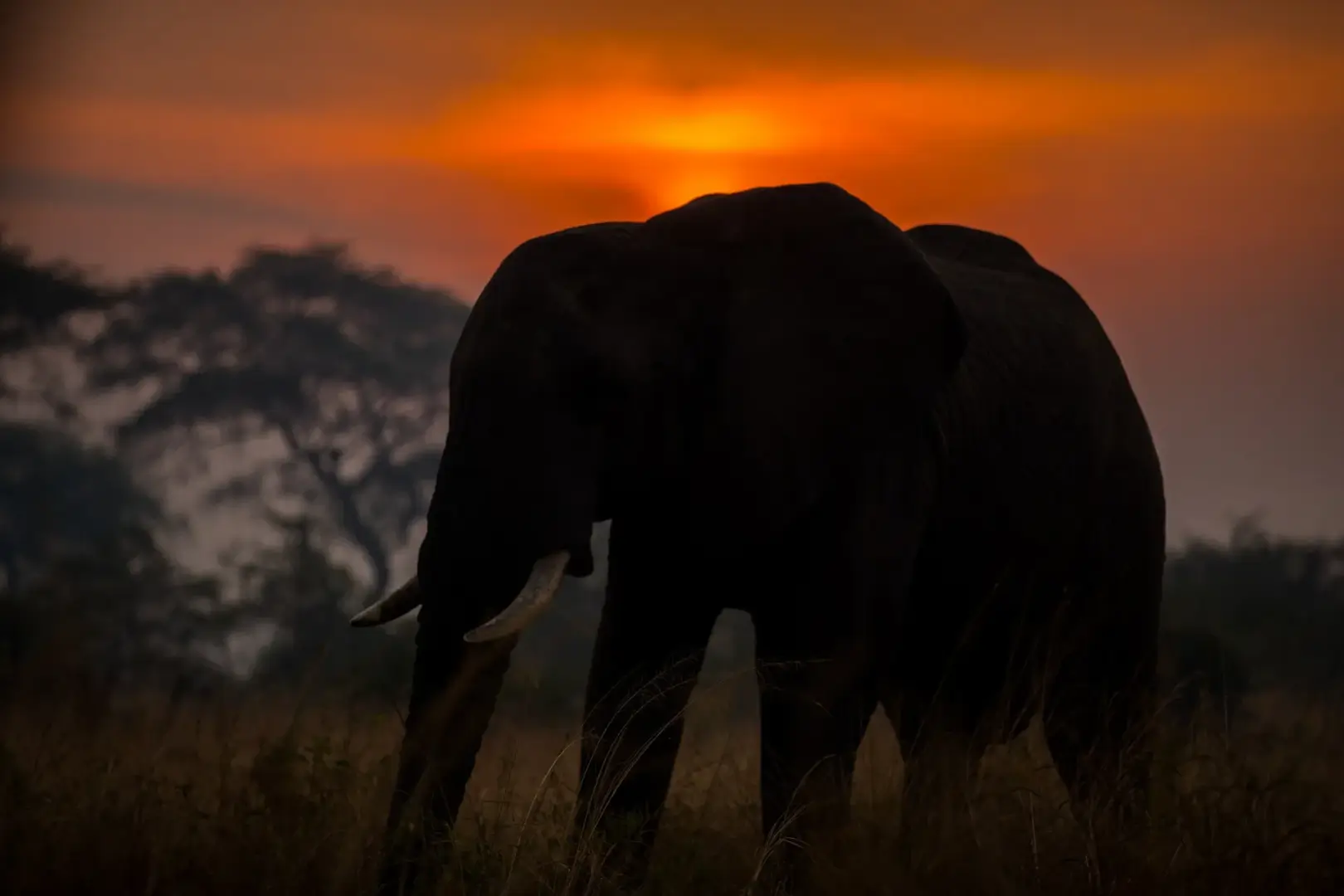
Moving beyond the falls, the park is brimming with a wealth of wildlife. Visitors can embark on safari drives across the savannah, where they may come across herds of elephants, giraffes, buffaloes, and antelopes peacefully grazing. Lions, leopards, and hyenas prowl the plains, while hippos and crocodiles lounge along the riverbanks.

However, Murchison Falls National Park is not solely defined by its wildlife and natural allure; it also boasts a rich cultural legacy. Home to various local communities like the Madi and Alur people, who have coexisted harmoniously with the land for generations. Visitors have the chance to delve into their traditions, practices, and way of life, enriching their park experience with depth and insight.

In essence, Murchison Falls National Park is a trove of marvels awaiting exploration. Whether you are a nature aficionado, wildlife enthusiast, or an adventurer, this park caters to all. With its breathtaking landscapes, diverse wildlife, and vibrant cultural heritage, it serves as a testament to the magnificence of the African continent. And it culminates at the apex of the Murchison Falls.

Ziwa Rhino Sanctuary

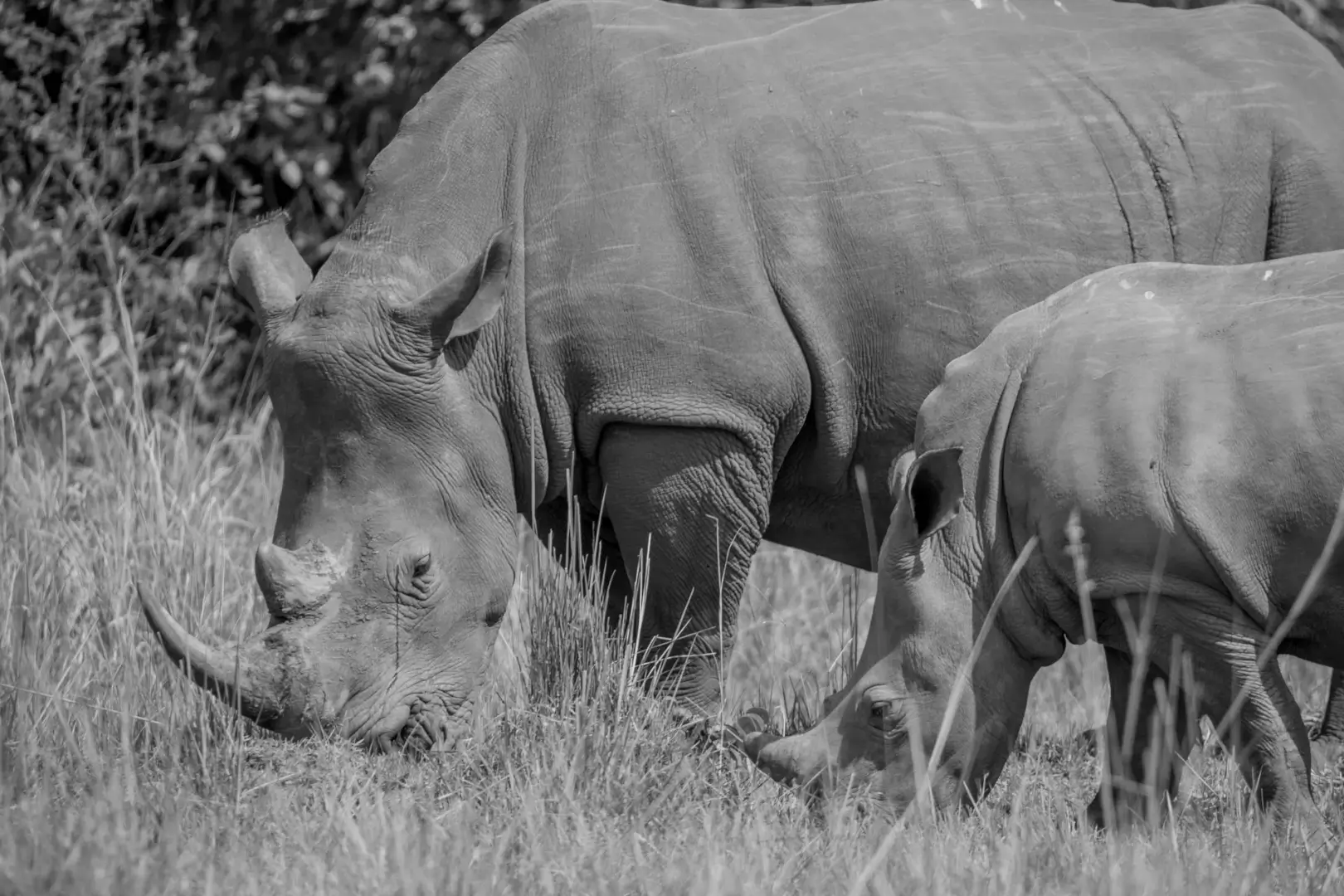
Ziwa Rhino Sanctuary is a collaborative initiative of Rhino Fund Uganda and the Roy family, dedicated to reintroducing the Rhino population in Uganda. The sanctuary’s current objective is to establish a breeding population of up to 50 Southern White Rhinos in the wild. Initially, only 6 rhinos were introduced in 2006, and since then, the sanctuary has witnessed the birth of 36 rhinos.

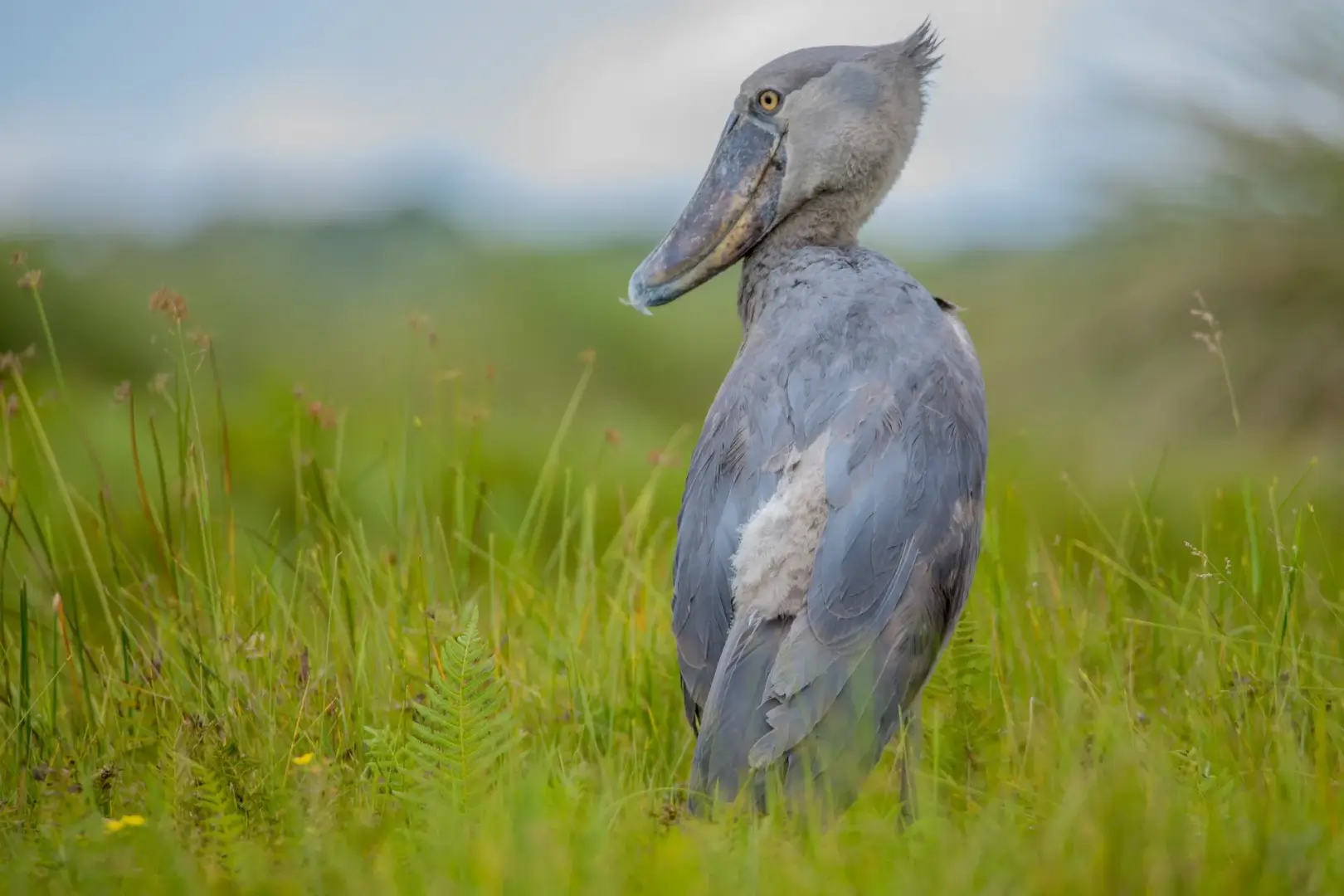
Spanning over 27 square miles, the sanctuary offers a serene and picturesque setting that goes beyond rhino spotting. Visitors can enjoy birding tours and nature walks amidst the tranquil surroundings. Today, the sanctuary has become a premier destination for bird enthusiasts, boasting a significant population of the elusive shoebill at the Lugogo Swamp. Embarking on a canoe ride in the early morning allows guests to witness a breathtaking sunrise over the swamp.

In essence, Uganda’s wildlife serves as a testament to the nation’s abundant natural heritage and unwavering dedication to conservation. From the renowned mountain gorillas of Bwindi Impenetrable National Park to the captivating tree-climbing lions of Queen Elizabeth National Park, Uganda offers a safari experience unparalleled in its diversity and richness.

As we celebrate the marvels of Uganda, let us emphasize the importance of responsible tourism and conservation initiatives in safeguarding these invaluable ecosystems for future generations. Through supporting sustainable practices and engaging with local communities, we can foster a future where Uganda’s wildlife thrives and flourishes for years to come.

From Rwanda With Love, The Heartwarming Kwita Izinaceremony.

Kwita Izina is a remarkable event in Rwanda that shines a light on the conservation of mountain gorillas. This annual ceremony involves naming baby gorillas born in the past year, symbolizing hope for their future and emphasizing the importance of protecting these majestic creatures. The gathering brings together people from diverse backgrounds to celebrate nature and wildlife, fostering a sense of unity and shared responsibility towards conservation efforts.

Kwita Izina ceremony

Nestled in the misty mountains of Rwanda, a unique and heartwarming ceremony takes place each year known as Kwita Izina, which translates to “giving a name”; in Kinyarwanda a tradition we have borrowed from our culture to celebrate and honor the future gentle giants. This annual event is not just a naming ceremony but a significant celebration of conservation efforts like the slogan for the event confirms (Conservation is Life), bringing together local communities, conservationists, celebrities, and international visitors to honor the mountain gorillas of the Volcanoes National Park.

The Origin of Kwita Izina

Kwita Izina draws its roots from a centuries-old Rwandan tradition of naming babies soon after birth, a practice deeply embedded in the cultural fabric of the country. In 2005, the Rwanda Development Board (RDB) and its partners decided to extend this beautiful tradition to the mountain gorillas, aiming to raise awareness about the conservation efforts necessary to protect these magnificent creatures.

The Ceremony

Each year, the ceremony is held at the foothills of the Virunga Mountains, where participants gather to celebrate the new additions to the gorilla families. Conservationists, local leaders, celebrities, and international dignitaries are invited to name the baby gorillas. The names given are often symbolic, reflecting the hopes for the gorillas’ futures, the circumstances of their birth, or the conservation journey.

The event includes traditional Rwandan performances, cultural exhibitions, and speeches by notable figures in wildlife conservation. It is a vibrant celebration that showcases the rich cultural heritage of Rwanda while underscoring the importance of protecting the endangered species (mountain gorillas).

The Significance of Kwita Izina

Kwita Izina is more than just a naming ceremony; it is a celebration of Rwanda’s conservation success story. The mountain gorilla population in Volcanoes National Park has steadily increased thanks to rigorous conservation efforts, community involvement, and sustainable tourism. The event brings global attention to the importance of protecting endangered species and encourages sustainable practices that benefit both wildlife and local communities.

The ceremony also provides a platform for environmental education, promoting the importance of biodiversity and the role everyone plays in conservation. It highlights the collaborative effort of the government, local communities, international organizations, and tourists in preserving Rwanda’s natural heritage.

The Impact on Local Communities

Kwita Izina has a profound impact on the local communities surrounding Volcanoes National Park. The event promotes community-based tourism, generating income and creating jobs for locals. About 15% of the revenue generated from gorilla tourism given back to communities to fund different livelihood development projects, such as building schools, health centers, and infrastructure improvements and not forgetting a compensation fund which helps cement the possible gap due to human wildlife conflict.

Furthermore, by involving communities in conservation efforts, Kwita Izina fosters a sense of ownership and pride in protecting their natural resources. It demonstrates that wildlife conservation can coexist with and support human development.

The Future of Kwita Izina

As Kwita Izina continues to grow in prominence, it serves as a beacon of hope and inspiration for global conservation efforts. The ceremony not only celebrates the births of baby gorillas but also symbolizes a commitment to preserving the natural primate wonder for future generations.

Through continued collaboration and innovation in conservation strategies, Kwita Izina remains a testament to what can be achieved when a nation comes together to protect its wildlife and natural heritage.

By participating in Kwita Izina, whether as a visitor, volunteer, or supporter, individuals contribute to a brighter future for Rwanda’s mountain gorillas and the many other species that call this beautiful region home.

Kwita Izina is a unique and inspirational event that captures the spirit of conservation and the deep connection between humans and nature. It is a celebration of life, culture, and the unwavering commitment to safeguarding our planet’s precious wildlife. As the world faces increasing environmental challenges, events like Kwita Izina remind us of the power of community, education, and dedication in making a positive impact.

Are you eager to attend this year’s Kwita Izina, reach out to our team to learn more.